
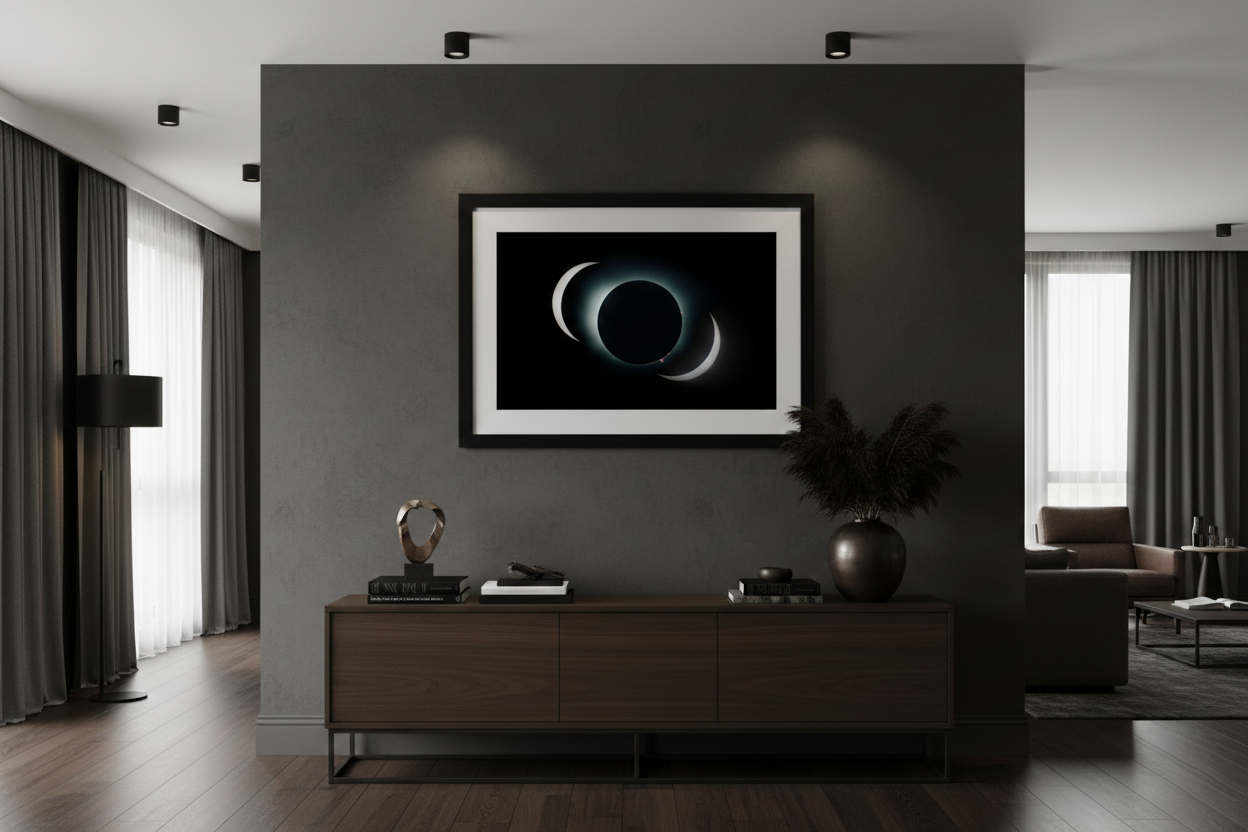
Over the last few months, we’ve answered the same handful of questions from new collectors, one at a time, in thirteen separate posts. It seemed worth pulling them into one place — not a rewrite, just a map. If you’re starting a collection, or trying to figure out if the piece you’re eyeing is actually worth buying, start here and follow the threads that matter to you.
Starting from zero
Most collections don’t start with a plan. They start with one photograph that stops you mid-scroll. The hardest step isn’t building the collection — it’s starting the first one. Once you’re past that, the most common way people trip themselves up is hesitating for the wrong reasons, so it’s worth knowing what that mistake actually looks like before you make it.
What to actually ask before you buy
Styles, sizes, papers, editions — it blurs together fast. Five questions cut through most of it, and they work whether you’re buying a $60 open edition or a signed limited print.
Prints, posters, and the difference that matters later
A fine art print and a poster can look identical in a phone photo. They are not the same object, and the difference shows up in the first ten years, not the first ten minutes. Once you know what you’re looking at, spotting a high-quality print takes seconds, not expertise.
Signatures, certificates, and what they actually prove
Two questions come up constantly, and both have real answers instead of vague ones: does a signature really matter, and what is a Certificate of Authenticity actually documenting. Neither is decoration. Both are part of what you’re paying for.
Why some prints last a century and others fade in ten years
This is the one most new collectors never think to ask about until it’s too late. Archival printing is the difference between a piece that ages with you and one that quietly fades on the wall.
The investment question, answered honestly
“Is this a good investment” deserves a straight answer, not hype — here’s the honest one. If you’re specifically weighing established names against newer work, emerging artists are often the smarter entry point, for reasons that have nothing to do with luck.
Buying direct
At some point, collectors stop just choosing what to buy and start choosing who to buy from. Here’s why buying directly from the artist becomes the default for a lot of people, once they’ve done it once.
Living with what you buy
The exact same print can look like a statement piece or an afterthought, and the difference is entirely presentation, not the art itself. And once you own more than one piece, here’s the real roadmap from first purchase to an actual, cohesive collection — not a plan you draw up in advance, but a pattern that shows up in hindsight.
That’s the full guide, thirteen conversations deep. If you’re ready to put it into practice, browse the current prints and limited editions — or start with whichever question above is actually keeping you up at night.
Leave a Reply