
Most art collections begin the same way.
Not with a grand plan or a carefully researched investment strategy—but with a single photograph that stops someone in their tracks.
The hardest step in collecting fine art photography isn’t building the collection.
It’s starting the first one.
For many people, the art world can feel intimidating at first. Galleries, editions, certificates, and pricing structures can seem mysterious if you haven’t encountered them before.
But collecting photography doesn’t require specialized knowledge.
It simply begins with learning what makes a photograph collectible—and finding images that resonate with you.
Why Photography Is One of the Most Accessible Art Forms to Collect
Photography occupies a unique place in the art world.
Unlike paintings or sculptures, photographs can exist in limited editions, allowing multiple collectors to own the same artwork while still preserving rarity.
This makes photography one of the most approachable entry points for new collectors.
It allows people to begin collecting original artwork without needing the same level of financial commitment often required for other mediums.
At the same time, photography offers incredible diversity in subject matter—from landscapes and travel imagery to documentary storytelling and conceptual work.
For many collectors, photography becomes the first step into building an art collection.
Understanding Limited Edition Prints
One of the most important concepts in collecting photography is the limited edition.
A limited edition means the artist produces only a specific number of prints of a photograph. Once the edition sells out, no additional prints of that image will be produced.
Limiting the number of prints creates rarity, which helps preserve the value and collectibility of the artwork.
Typical editions may range from:
- 10 prints
- 25 prints
- 50 prints
Each print is usually numbered and signed by the artist.
Certificates of Authenticity
Many fine art photographs are accompanied by a certificate of authenticity.
This document verifies important details about the artwork, including:
- the artist
- the title of the photograph
- the edition number
- the print process
- the date of production
Certificates provide collectors with documentation confirming that the artwork is genuine.
They also help maintain provenance if the artwork is later resold or passed on to future collectors.
If you’re curious about how these certificates work, you may also enjoy:
➡ What Is a Certificate of Authenticity — And Why It Matters for Collectors
The Importance of Archival Printing
Another key factor in fine art photography is archival printing.
Archival prints are produced using museum-quality materials designed to last for decades without significant fading or degradation.
These materials typically include:
- acid-free fine art papers
- cotton rag papers
- pigment-based inks
Together, these components help ensure the photograph remains stable over time.
If you’d like to learn more about this process, you may also enjoy reading:
➡ Why Some Photography Prints Last 100 Years — And Others Fade in a Decade
How to Choose the First Piece for Your Collection
Many new collectors assume they should focus on investment value or market trends when purchasing art.
But the strongest collections often begin with something simpler:
choosing work that you genuinely connect with.
Ask yourself:
- Does this photograph hold my attention?
- Would I enjoy seeing it every day?
- Does it evoke a memory or feeling?
Art collections often grow organically over time.
The first piece simply sets the tone.
Building a Collection Over Time
Once someone purchases their first photograph, something interesting often happens.
They begin noticing photographs differently.
Collectors start paying attention to:
- composition
- light
- storytelling
- printing quality
- artistic voice
Over time, collections may develop themes—such as landscapes, travel photography, or documentary work.
Others remain eclectic, reflecting the collector’s personal journey and experiences.
Both approaches are equally valid.
A meaningful collection is simply one that reflects the collector’s perspective.
Living With Photography
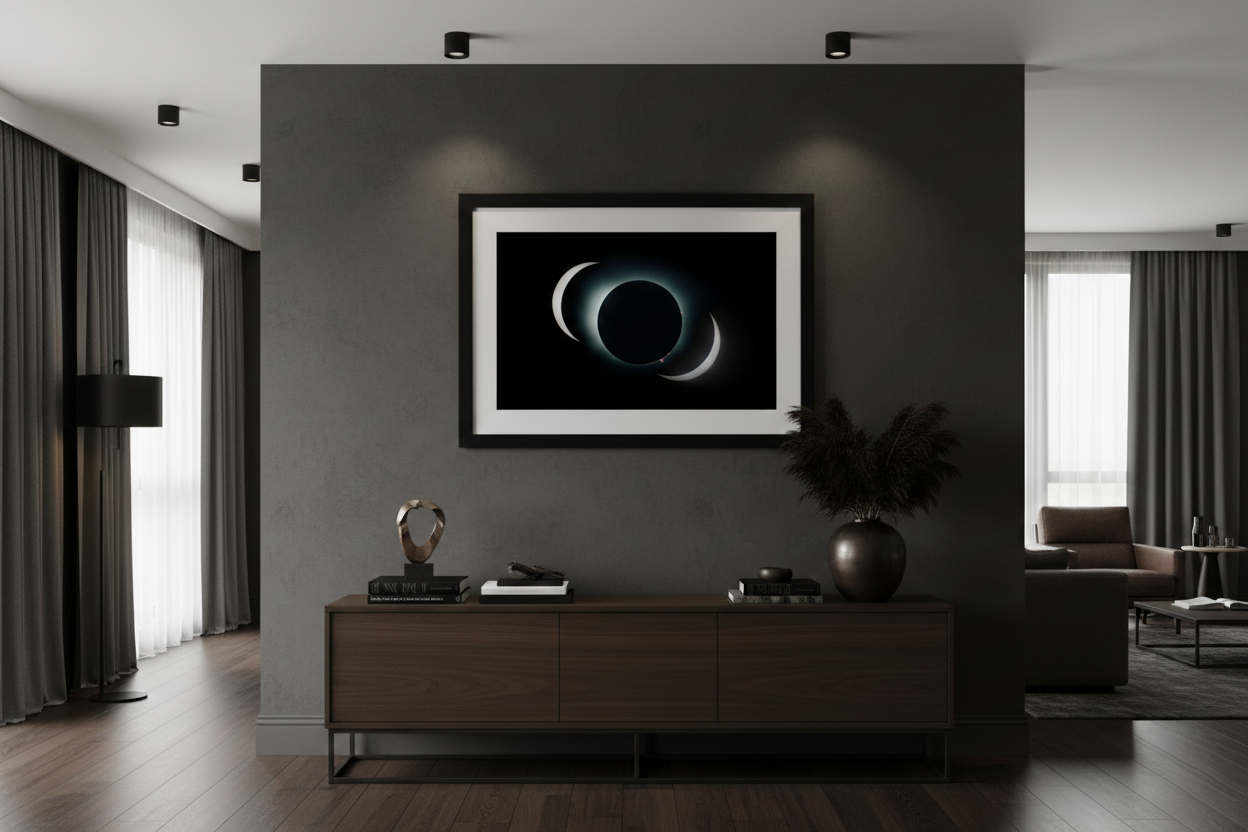
One of the joys of collecting photography is how naturally it integrates into daily life.
Photographs can transform a room, anchor a space, or serve as a quiet reminder of a place or moment.
Unlike art that lives primarily in galleries or museums, photography often feels deeply personal when displayed in the home.
For many collectors, the artwork becomes part of the environment where life unfolds.
The First Step
Starting an art collection doesn’t require expertise.
It begins with curiosity.
Learning about limited editions, archival materials, and provenance simply helps collectors make informed decisions as their collections grow.
But the most important step remains the same:
Finding the photograph that speaks to you—and bringing it into your life.
Featured limited editions
A curated selection of landscapes available in limited quantities. Visit the shop for current availability, sizes, and framing options.
-

Canyons Gaze – Signed Limited Edition Print + Certificate
Price range: $375.00 through $2,800.00 -

Lunar Descent – Signed Limited Edition Print + Certificate
Price range: $525.00 through $3,300.00 -

Still Rising – Signed Limited Edition Print + Certificate
Price range: $375.00 through $2,800.00 -

The Quiet at Fushimi – Signed Limited Edition Print + Certificate
Price range: $525.00 through $3,300.00