
Walk into almost any home goods store and you’ll see walls covered with photographic prints.
They look beautiful at first.
But give them ten years.
Many will fade. Colors shift. Paper yellows. Details disappear.
Yet in museums and private collections around the world, photographic prints created decades ago still look nearly identical to the day they were printed.
The difference comes down to archival print craftsmanship.
Understanding what makes a photograph archival helps collectors recognize the difference between a decorative print and a piece of artwork designed to last for generations.
Why Most Photography Prints Don’t Last
Many consumer prints are produced using fast, inexpensive materials.
These often include:
- dye-based inks
- wood-pulp paper
- non-archival coatings
These materials produce vibrant prints initially, but they’re far more vulnerable to:
- UV light
- humidity
- environmental pollutants
Over time, these factors slowly break down the image.
What begins as a vibrant photograph gradually fades.
This is why many inexpensive prints begin to deteriorate within a decade.
What Makes a Print Archival
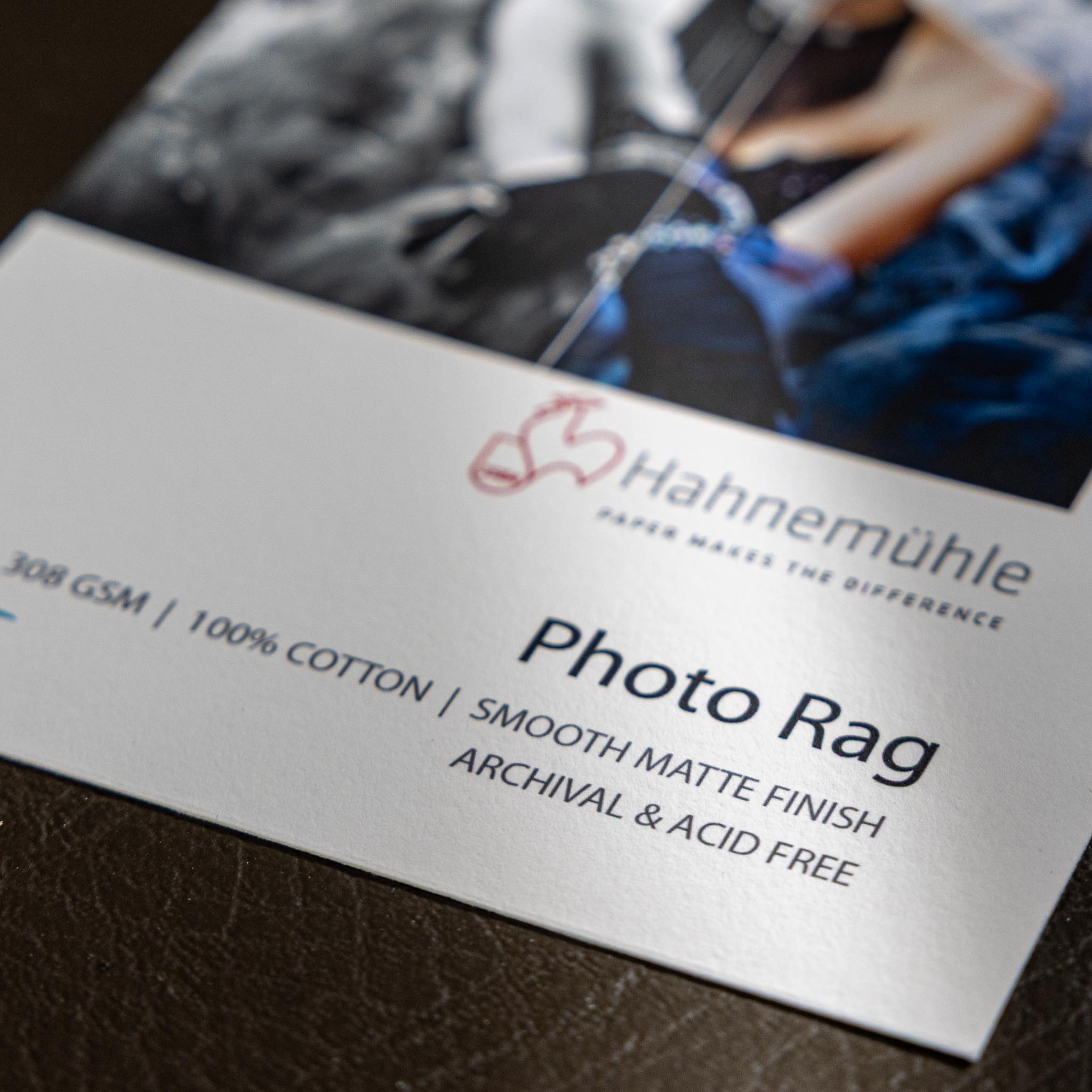
An archival fine art photography print is produced with materials specifically designed for longevity.
Three components make the biggest difference:
Archival Paper
Museum-quality papers are typically:
- acid-free
- lignin-free
- cotton-based
Cotton rag papers are especially valued in fine art printing because they resist yellowing and provide exceptional stability over time.
They also hold extremely fine detail, allowing subtle tones and textures to appear more naturally.
Pigment-Based Inks
Fine art prints are typically produced using pigment inks rather than dye inks.
Pigment inks contain microscopic particles that sit on the surface of the paper.
This makes them significantly more resistant to fading caused by light exposure.
When paired with archival paper, pigment prints can maintain color stability for decades.
Controlled Print Craftsmanship
Even the best materials require careful production.
Professional fine art printing involves:
- calibrated color workflows
- proof printing
- controlled lighting environments
- final inspection before release
Each step ensures the finished print faithfully represents the photograph.
You can learn more about the process on the page dedicated to print craftsmanship and archival production standards.
Why Archival Printing Matters for Collectors
For collectors, longevity is not just a technical detail.
It protects the integrity of the artwork.
Archival printing ensures:
- the photograph retains its intended color and detail
- the artist’s vision remains preserved
- the work can be displayed confidently for decades
This is particularly important for limited edition photography prints, where the rarity and long-term stability of the work are part of its value.
Certificates of Authenticity and Provenance
Many fine art prints are accompanied by a certificate of authenticity.
This document verifies:
- the artist
- the edition number
- the production details
- the authenticity of the artwork
Certificates help collectors maintain the provenance of the piece and confirm its place within the limited edition.
If you’re interested in learning more, you may also enjoy:
➡ What Is a Certificate of Authenticity — And Why It Matters for Collectors
A Photograph Meant to Last
Photography captures a moment.
Archival printing ensures that moment can survive the passage of time.
When museum-quality materials and careful craftsmanship are combined, a photograph becomes more than a print—it becomes an object built to endure.
For collectors, that longevity is part of what transforms a photograph into a lasting work of art.
Featured limited editions
A curated selection of landscapes available in limited quantities. Visit the shop for current availability, sizes, and framing options.
-

Canyons Gaze – Signed Limited Edition Print + Certificate
Price range: $375.00 through $2,800.00 -

Lunar Descent – Signed Limited Edition Print + Certificate
Price range: $525.00 through $3,300.00 -

Still Rising – Signed Limited Edition Print + Certificate
Price range: $375.00 through $2,800.00 -

The Quiet at Fushimi – Signed Limited Edition Print + Certificate
Price range: $525.00 through $3,300.00