Category: Collector Education Series

Educational articles designed to help collectors understand the world of fine art photography. These posts explore topics like collecting limited edition prints, understanding archival printing, framing, certificates of authenticity, and how to start or grow a fine art collection.

  • The Real Difference Between Fine Art Prints and Posters

    The Real Difference Between Fine Art Prints and Posters

    At a glance, a fine art print and a poster can look surprisingly similar.

    They both display an image.
    They both hang on a wall.

    And from a distance, most people wouldn’t think twice about the difference. But up close—and over time—they couldn’t be more different.


    What Most People Assume

    It’s easy to think the difference comes down to price. That one is expensive… and the other isn’t.

    But price is just the outcome. The real difference is in how—and why—the piece exists in the first place.


    What Defines a Poster

    A poster is designed for accessibility. It’s meant to be reproduced in large quantities, at a lower cost, and made widely available. The goal is simple: make the image easy to own. There’s nothing inherently wrong with that.

    Posters are great for:

    • Temporary spaces
    • Casual decor
    • Filling a wall quickly

    But they aren’t built with longevity or scarcity in mind. They’re made to be replaceable.


    What Defines a Fine Art Print

    A fine art print is created with intention from the start. Not just in the image itself—but in how it’s produced, presented, and released.

    That includes:

    • Archival-quality materials designed to last
    • Color accuracy and depth that reflect the original work
    • Controlled, often limited editions
    • A direct connection to the artist

    It’s not just about putting an image on paper. It’s about translating a piece of work into a physical form that holds up—visually and materially—over time.


    Where the Difference Becomes Obvious

    At first, the gap can feel subtle. But give it time.

    Posters tend to:

    • Fade
    • Shift in color
    • Lose their presence

    Fine art prints, when done properly, do the opposite. They hold their depth. They maintain their integrity. They continue to feel intentional.

    That difference isn’t always obvious on day one. But it becomes undeniable over time.


    How This Builds on What You Already Know

    In the previous post—The Truth About Signed vs. Unsigned Prints—we talked about how a signature adds intention and definition to a piece. This is the next layer.

    Because once you understand the difference between something made to be reproduced endlessly… and something made to last, it changes how you evaluate what’s worth bringing into your space. Not everything needs to be collectible. But the pieces you choose to live with long-term?

    Those are worth being intentional about.


    A Simple Way to Think About It

    A poster fills a wall.

    A fine art print defines a space.

    One is temporary.

    One is considered.


    Final Thought

    The difference between a poster and a fine art print isn’t just about how it looks today. It’s about how it holds up over time—and how it feels to live with. Because the right piece doesn’t just decorate a room.

    It becomes part of it.

    If you’re ready to move beyond temporary and invest in something designed to last, explore the current collection of limited edition fine art prints and find the one that belongs in your space.

    Browse Available Limited Edition Prints

  • The Truth About Signed vs. Unsigned Prints

    The Truth About Signed vs. Unsigned Prints

    At some point, every new collector runs into the question:

    “Does it really matter if a print is signed?”

    And like most things in the art world, the answers tend to be… unclear. Some will say it’s essential. Others will say it doesn’t matter at all. The truth sits somewhere in the middle—but once you understand it, your approach to collecting starts to shift.


    What a Signature Actually Represents

    A signature isn’t just a name written on paper. It’s a signal.

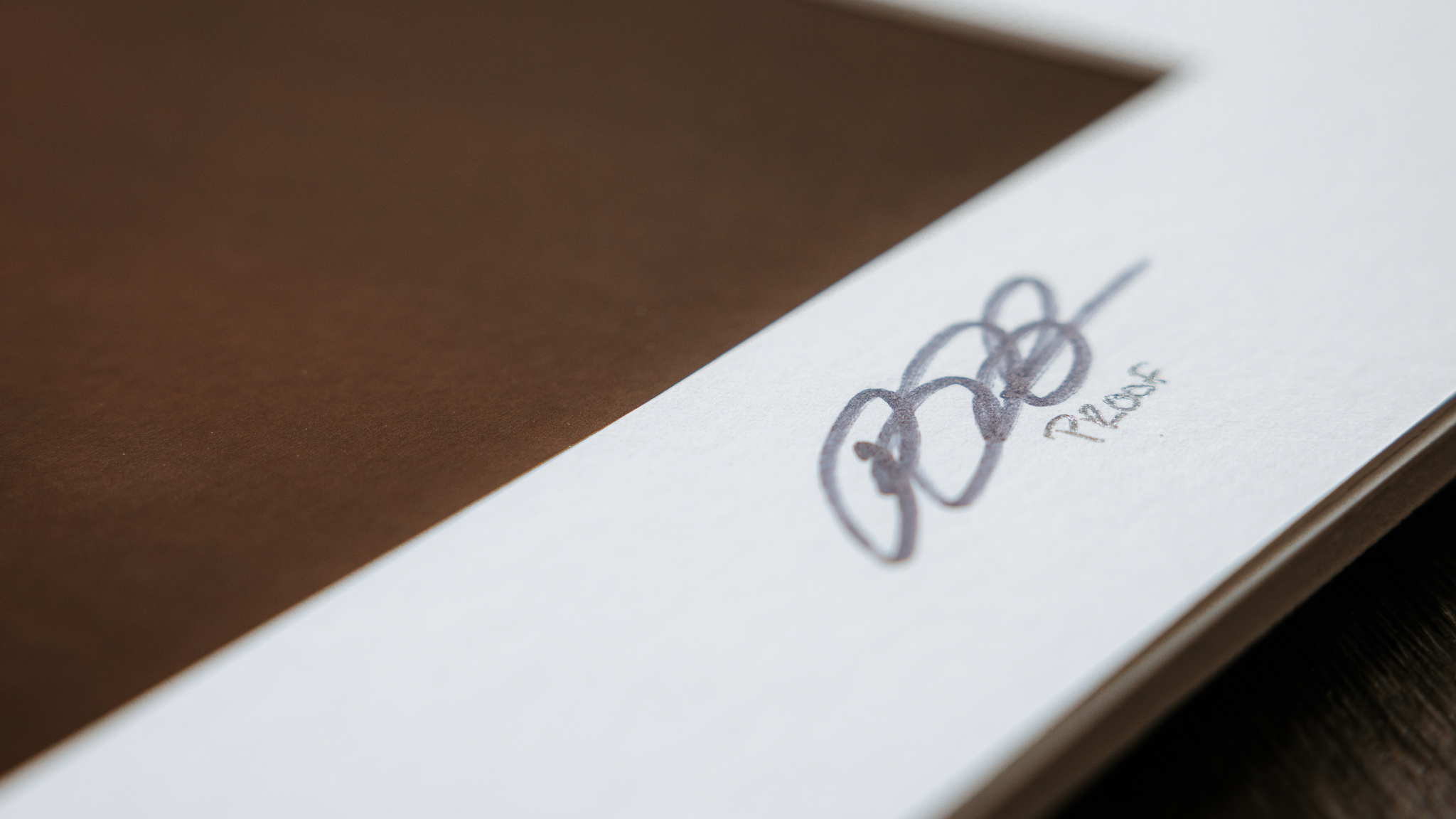
    It tells you the artist has personally approved that specific print as part of their body of work. That it’s not just a reproduction—it’s intentional. In many cases, it’s also tied to a limited edition. A defined number of prints that will ever exist in that format.

    That combination—intentionality and scarcity—is what gives a signed print its weight.


    Why Collectors Care (Even If They Don’t Say It Out Loud)

    When collectors choose signed work, they’re not just thinking about how it looks on the wall.

    They’re thinking about:

    • Authenticity
    • Scarcity
    • Connection to the artist

    A signed print feels closer to the source. More complete. More final. It’s the difference between owning an image… and owning a piece of the artist’s work.


    So Are Unsigned Prints “Less Valuable”?

    Not necessarily. Unsigned prints can still be:

    • High quality
    • Visually striking
    • Worth owning

    But they typically live in a different category. They’re often open editions, meaning they can be produced without a strict limit. That doesn’t make them bad—it just means they don’t carry the same built-in scarcity.

    And in art, scarcity plays a bigger role than most people expect.


    Where This Connects to How You Choose Art

    If you read the previous post—The #1 Mistake New Art Collectors Make (And How to Avoid It)—you know the biggest trap is overthinking and trying to choose what you’re supposed to like. This is where that idea evolves. Because once you’ve found a piece you genuinely connect with, the next step isn’t second-guessing your taste—it’s understanding what you’re actually buying.

    And that’s where details like signatures begin to matter.

    Not as decoration.

    But as definition.


    A Practical Way to Think About It

    If you’re buying purely for decoration, an unsigned print might be all you need. But if you’re starting a collection—something intentional, something that grows over time—signed, limited edition prints are where most collectors naturally gravitate. Not because they’re told to.

    Because they begin to understand the difference.


    Final Thought

    A signature isn’t about ink on paper. It’s about intention, authorship, and knowing that what you’re holding is part of a defined body of work. And once you see that difference, it changes how you collect.

    If you’re ready to move beyond decoration and start collecting with intention, explore the current selection of signed, limited edition prints and find the piece that feels like it was made to be yours.

    Browse Available Limited Edition Prints

  • The #1 Mistake New Art Collectors Make (And How to Avoid It)

    The #1 Mistake New Art Collectors Make (And How to Avoid It)

    If you’ve ever thought about buying your first piece of art, there’s a good chance you’ve paused longer than you expected.

    Not because you didn’t find something you liked—but because you weren’t sure if it was the right choice.

    That hesitation is where most people get stuck. And it leads directly to the most common mistake new collectors make:

    They try to buy what they think they’re supposed to like.


    Why This Happens

    Art collecting carries a kind of quiet pressure.

    There’s an assumption that you need to get it right the first time—something refined, something valuable, something that makes sense not just to you, but to anyone who sees it.

    So instead of trusting your instinct, you start filtering every option through a mental checklist. Price. Popularity. What it might look like on your wall. What someone else might think.

    And slowly, the process shifts from excitement to hesitation.

    You scroll.

    You compare.

    You wait.

    And more often than not, you end up walking away without choosing anything at all.


    What Actually Drives Great Collections

    The strongest collections don’t start with strategy—they start with a reaction.

    A pause.

    A moment where something catches your attention and holds it just a little longer than expected.

    That’s the signal most people ignore.

    And it’s the one that matters most.

    Because when you remove the pressure to “get it right,” something else starts to take shape—your taste. Not fully defined yet, but beginning to reveal itself.

    That’s where collecting begins.


    A Better Approach

    Instead of asking yourself if something is the right choice, try asking a better question:

    Would I regret not owning this?

    It’s a small shift, but it changes everything. Because if you keep coming back to the same piece… if you can already picture it in your space… if it creates even a subtle emotional pull—that’s not random.

    That’s alignment.

    And it’s far more reliable than trying to outthink your own instincts.


    Where Value Fits In

    Details like edition size, print quality, and artist reputation do matter.

    But they come after connection—not before it.

    Because at the end of the day, you’re not just acquiring something to store or resell.

    You’re choosing something to live with.

    Something that becomes part of your space, your routine, your environment.

    That’s what makes it worth getting right—but not in the way most people think.


    Final Thought & Call to Action

    Every serious collector starts the same way—with one piece that feels right.

    Not perfect.
    Not strategic.

    Just meaningful.

    If you’re ready to take that first step, explore the current collection of limited edition prints and find the one that stays with you long after you’ve closed the page.

    Browse Available Limited Edition Prints

  • The First Photograph Is the Hardest: How to Start Collecting Fine Art Photography

    The First Photograph Is the Hardest: How to Start Collecting Fine Art Photography

    Most art collections begin the same way.

    Not with a grand plan or a carefully researched investment strategy—but with a single photograph that stops someone in their tracks.

    The hardest step in collecting fine art photography isn’t building the collection.

    It’s starting the first one.

    For many people, the art world can feel intimidating at first. Galleries, editions, certificates, and pricing structures can seem mysterious if you haven’t encountered them before.

    But collecting photography doesn’t require specialized knowledge.

    It simply begins with learning what makes a photograph collectible—and finding images that resonate with you.


    Why Photography Is One of the Most Accessible Art Forms to Collect

    Photography occupies a unique place in the art world.

    Unlike paintings or sculptures, photographs can exist in limited editions, allowing multiple collectors to own the same artwork while still preserving rarity.

    This makes photography one of the most approachable entry points for new collectors.

    It allows people to begin collecting original artwork without needing the same level of financial commitment often required for other mediums.

    At the same time, photography offers incredible diversity in subject matter—from landscapes and travel imagery to documentary storytelling and conceptual work.

    For many collectors, photography becomes the first step into building an art collection.


    Understanding Limited Edition Prints

    One of the most important concepts in collecting photography is the limited edition.

    A limited edition means the artist produces only a specific number of prints of a photograph. Once the edition sells out, no additional prints of that image will be produced.

    Limiting the number of prints creates rarity, which helps preserve the value and collectibility of the artwork.

    Typical editions may range from:

    • 10 prints
    • 25 prints
    • 50 prints

    Each print is usually numbered and signed by the artist.


    Certificates of Authenticity

    Many fine art photographs are accompanied by a certificate of authenticity.

    This document verifies important details about the artwork, including:

    • the artist
    • the title of the photograph
    • the edition number
    • the print process
    • the date of production

    Certificates provide collectors with documentation confirming that the artwork is genuine.

    They also help maintain provenance if the artwork is later resold or passed on to future collectors.

    If you’re curious about how these certificates work, you may also enjoy:

    What Is a Certificate of Authenticity — And Why It Matters for Collectors


    The Importance of Archival Printing

    Another key factor in fine art photography is archival printing.

    Archival prints are produced using museum-quality materials designed to last for decades without significant fading or degradation.

    These materials typically include:

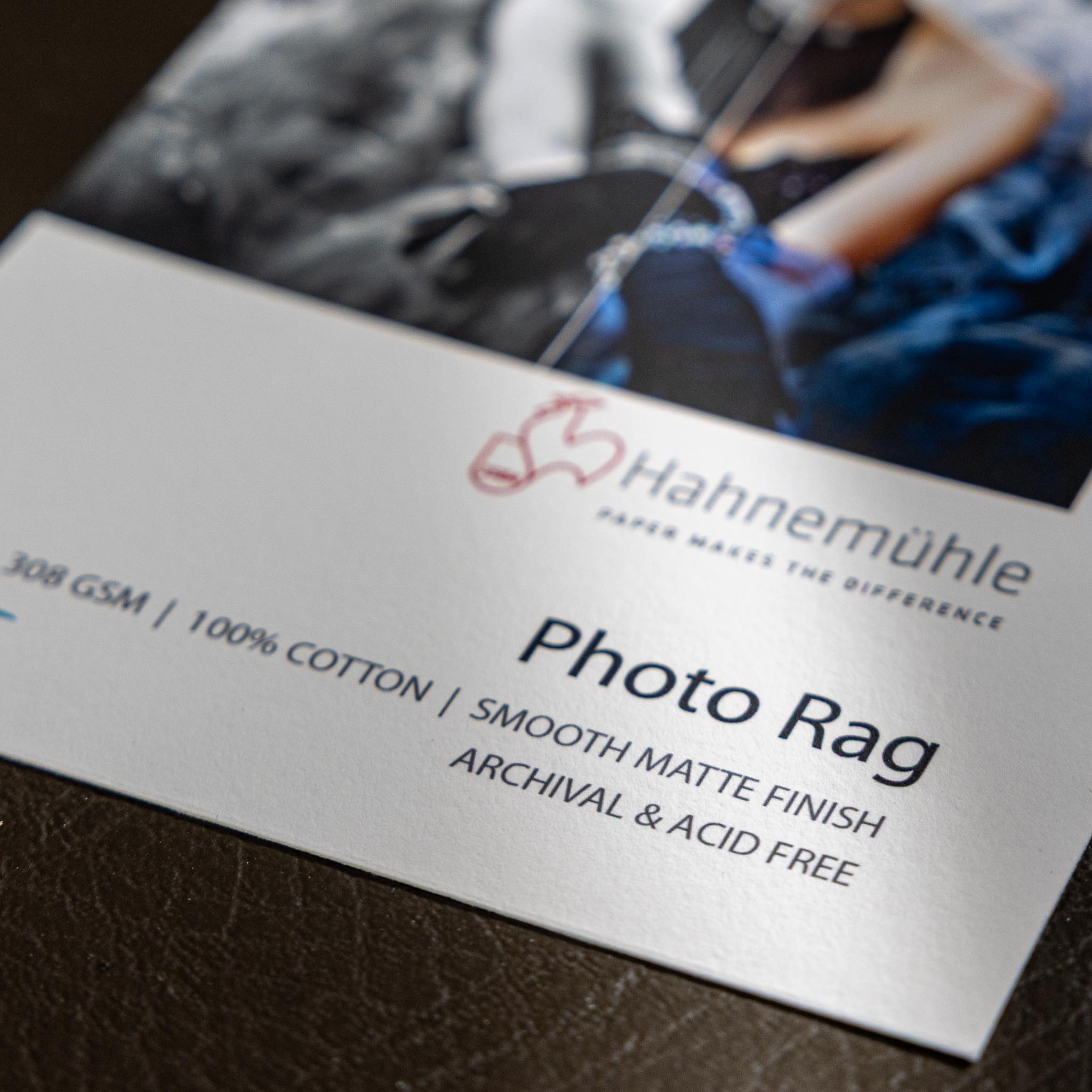
    • acid-free fine art papers
    • cotton rag papers
    • pigment-based inks

    Together, these components help ensure the photograph remains stable over time.

    If you’d like to learn more about this process, you may also enjoy reading:

    Why Some Photography Prints Last 100 Years — And Others Fade in a Decade


    How to Choose the First Piece for Your Collection

    Many new collectors assume they should focus on investment value or market trends when purchasing art.

    But the strongest collections often begin with something simpler:

    choosing work that you genuinely connect with.

    Ask yourself:

    • Does this photograph hold my attention?
    • Would I enjoy seeing it every day?
    • Does it evoke a memory or feeling?

    Art collections often grow organically over time.

    The first piece simply sets the tone.


    Building a Collection Over Time

    Once someone purchases their first photograph, something interesting often happens.

    They begin noticing photographs differently.

    Collectors start paying attention to:

    • composition
    • light
    • storytelling
    • printing quality
    • artistic voice

    Over time, collections may develop themes—such as landscapes, travel photography, or documentary work.

    Others remain eclectic, reflecting the collector’s personal journey and experiences.

    Both approaches are equally valid.

    A meaningful collection is simply one that reflects the collector’s perspective.


    Living With Photography

    One of the joys of collecting photography is how naturally it integrates into daily life.

    Photographs can transform a room, anchor a space, or serve as a quiet reminder of a place or moment.

    Unlike art that lives primarily in galleries or museums, photography often feels deeply personal when displayed in the home.

    For many collectors, the artwork becomes part of the environment where life unfolds.


    The First Step

    Starting an art collection doesn’t require expertise.

    It begins with curiosity.

    Learning about limited editions, archival materials, and provenance simply helps collectors make informed decisions as their collections grow.

    But the most important step remains the same:

    Finding the photograph that speaks to you—and bringing it into your life.

  • Why Some Photography Prints Last 100 Years — And Others Fade in a Decade

    Why Some Photography Prints Last 100 Years — And Others Fade in a Decade

    Walk into almost any home goods store and you’ll see walls covered with photographic prints.

    They look beautiful at first.

    But give them ten years.

    Many will fade. Colors shift. Paper yellows. Details disappear.

    Yet in museums and private collections around the world, photographic prints created decades ago still look nearly identical to the day they were printed.

    The difference comes down to archival print craftsmanship.

    Understanding what makes a photograph archival helps collectors recognize the difference between a decorative print and a piece of artwork designed to last for generations.


    Why Most Photography Prints Don’t Last

    Many consumer prints are produced using fast, inexpensive materials.

    These often include:

    • dye-based inks
    • wood-pulp paper
    • non-archival coatings

    These materials produce vibrant prints initially, but they’re far more vulnerable to:

    • UV light
    • humidity
    • environmental pollutants

    Over time, these factors slowly break down the image.

    What begins as a vibrant photograph gradually fades.

    This is why many inexpensive prints begin to deteriorate within a decade.


    What Makes a Print Archival

    An archival fine art photography print is produced with materials specifically designed for longevity.

    Three components make the biggest difference:

    Archival Paper

    Museum-quality papers are typically:

    • acid-free
    • lignin-free
    • cotton-based

    Cotton rag papers are especially valued in fine art printing because they resist yellowing and provide exceptional stability over time.

    They also hold extremely fine detail, allowing subtle tones and textures to appear more naturally.


    Pigment-Based Inks

    Fine art prints are typically produced using pigment inks rather than dye inks.

    Pigment inks contain microscopic particles that sit on the surface of the paper.

    This makes them significantly more resistant to fading caused by light exposure.

    When paired with archival paper, pigment prints can maintain color stability for decades.


    Controlled Print Craftsmanship

    Even the best materials require careful production.

    Professional fine art printing involves:

    • calibrated color workflows
    • proof printing
    • controlled lighting environments
    • final inspection before release

    Each step ensures the finished print faithfully represents the photograph.

    You can learn more about the process on the page dedicated to print craftsmanship and archival production standards.


    Why Archival Printing Matters for Collectors

    For collectors, longevity is not just a technical detail.

    It protects the integrity of the artwork.

    Archival printing ensures:

    • the photograph retains its intended color and detail
    • the artist’s vision remains preserved
    • the work can be displayed confidently for decades

    This is particularly important for limited edition photography prints, where the rarity and long-term stability of the work are part of its value.


    Certificates of Authenticity and Provenance

    Many fine art prints are accompanied by a certificate of authenticity.

    This document verifies:

    • the artist
    • the edition number
    • the production details
    • the authenticity of the artwork

    Certificates help collectors maintain the provenance of the piece and confirm its place within the limited edition.

    If you’re interested in learning more, you may also enjoy:

    What Is a Certificate of Authenticity — And Why It Matters for Collectors


    A Photograph Meant to Last

    Photography captures a moment.

    Archival printing ensures that moment can survive the passage of time.

    When museum-quality materials and careful craftsmanship are combined, a photograph becomes more than a print—it becomes an object built to endure.

    For collectors, that longevity is part of what transforms a photograph into a lasting work of art.


  • What Is a Certificate of Authenticity — And Why It Matters

    What Is a Certificate of Authenticity — And Why It Matters

    If you’re purchasing a limited edition photograph, you’re not just buying paper and ink. You’re acquiring a documented piece of an archive. And that documentation matters.

    A Certificate of Authenticity (often called a COA) is not decorative paperwork. It is a record of legitimacy.

    If you care about long-term value, provenance, and credibility, you should care about this document.

    What Is a Certificate of Authenticity?

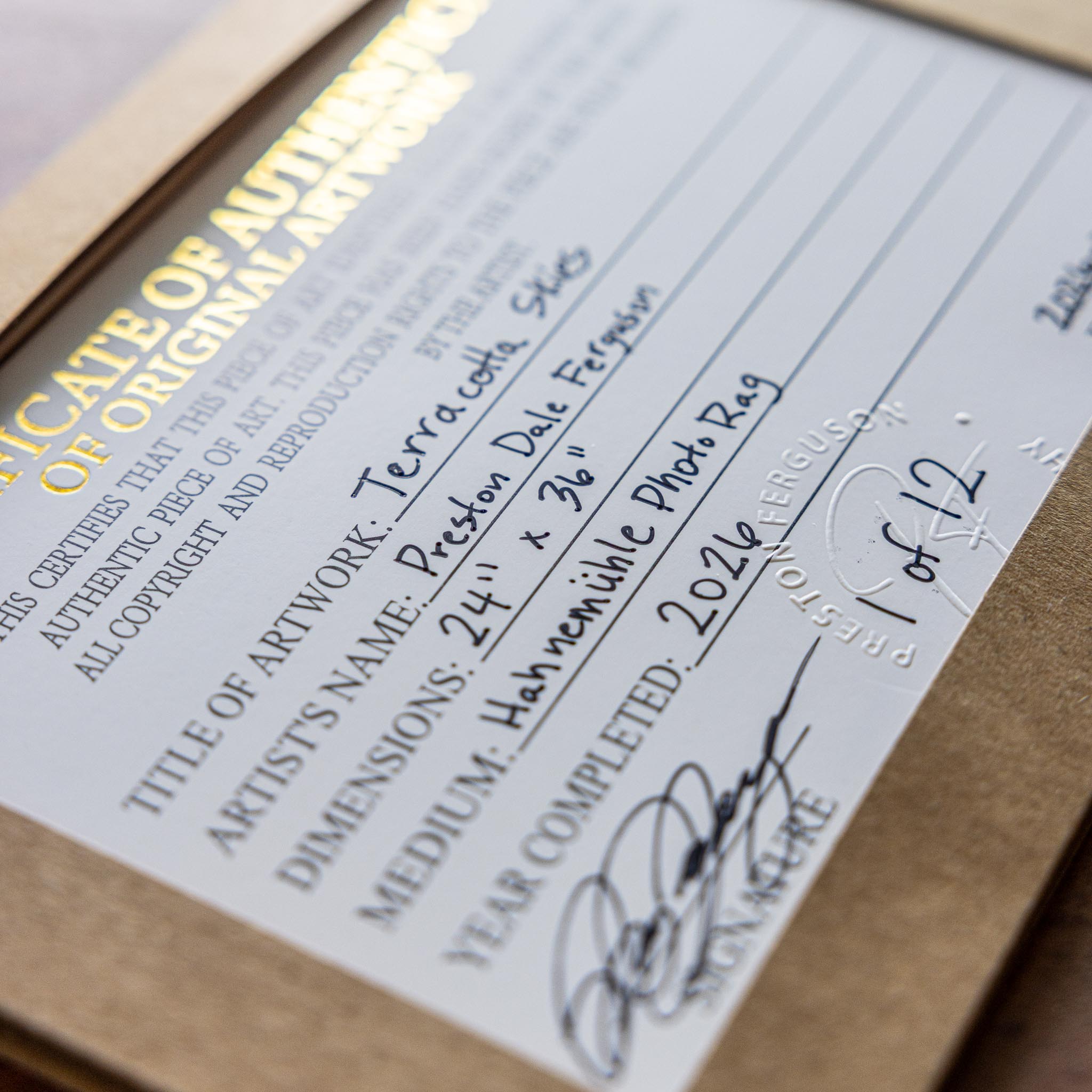
    A Certificate of Authenticity is a signed document issued by the artist (or studio) that verifies:

    • The artwork is genuine
    • The edition size
    • The specific print number
    • The title of the work
    • The year of release
    • The materials used
    • The artist’s signature

    It confirms that the piece you own is part of a legitimate, controlled edition. Without it, proof becomes weaker over time.

    Authenticity: Why It’s Not Optional

    In photography, duplication is easy. Files can be copied. Images can be reprinted.

    That’s why structure matters. A COA confirms that:

    • This specific print was produced under the artist’s supervision
    • It belongs to a declared limited edition
    • It was not reproduced outside that structure

    It draws a line between authorized and unauthorized production. For serious collectors, that line is essential.

    Provenance: The Story of Ownership

    Provenance refers to the documented history of an artwork’s ownership. Over time, provenance builds through:

    • Certificates
    • Receipts
    • Exhibition records
    • Private sales documentation

    If artwork is ever resold or transferred, provenance strengthens credibility. Without documentation, questions arise.

    Decades from now, when a print changes hands, the COA becomes evidence. It protects both the artwork and the collector.

    Edition Tracking: Structural Integrity

    In limited edition photography, tracking is critical.

    Each print has:

    • A number (for example, 7/25)
    • A total edition size
    • A permanent closure once sold out

    A Certificate of Authenticity confirms that:

    • The edition size was declared in advance
    • The specific print number exists within that edition
    • The artist has not exceeded the stated limit

    Collectors rely on this discipline. If edition tracking is inconsistent, scarcity becomes meaningless. Documentation reinforces restraint.

    Long-Term Credibility

    Most people don’t think 20 or 30 years ahead when purchasing art. But credibility compounds over time.

    When collectors, galleries, or estates evaluate a work years later, they look for:

    • Original documentation
    • Consistent edition policies
    • Clear artist signatures
    • Archival production details

    The more complete the documentation, the stronger the work’s standing. A well-documented archive ages better than a loosely managed one.

    How My Certificates Work

    Each limited edition print I release includes:

    • The title of the work
    • The year of release
    • The edition size
    • The individual print number
    • Archival material details
    • My signature

    The edition size is declared in advance and does not change. Once the edition sells out, it closes permanently.

    The certificate corresponds directly to that edition — and exists to protect its integrity.

    I do not reissue sold-out editions.
    I do not expand edition sizes later.
    I do not reproduce the same format once closed.

    The certificate reflects that discipline.

    Why Documentation Matters Decades Later

    Paper fades. Digital platforms disappear. Websites evolve.

    But physical documentation persists.

    If a collector chooses to resell, donate, or pass work to the next generation, documentation supports legitimacy. Without it, questions arise:

    • Was this part of a declared edition?
    • Was the edition exceeded?
    • Was it printed under the artist’s supervision?

    Clear documentation removes uncertainty. And uncertainty weakens value.

    Decorative Prints vs Documented Works

    Again, this is not about superiority — it’s about structure. Decorative prints often do not include formal documentation because:

    • They are not edition-controlled
    • They are reproducible
    • Scarcity is not a factor

    Collectible works include documentation because permanence matters. A Certificate of Authenticity signals that the work was created and released with long-term intention.

    Final Thought

    A Certificate of Authenticity is not just paperwork.

    It is a promise. A promise that:

    • The edition size is real
    • The print is genuine
    • The archive is disciplined
    • The collector is protected

    If you’re beginning to collect fine art photography, ask about documentation. Clarity today protects confidence tomorrow.

    If you’d like to explore my current limited releases — each accompanied by a signed Certificate of Authenticity — you can view available editions here.

    Collect thoughtfully. Document carefully.