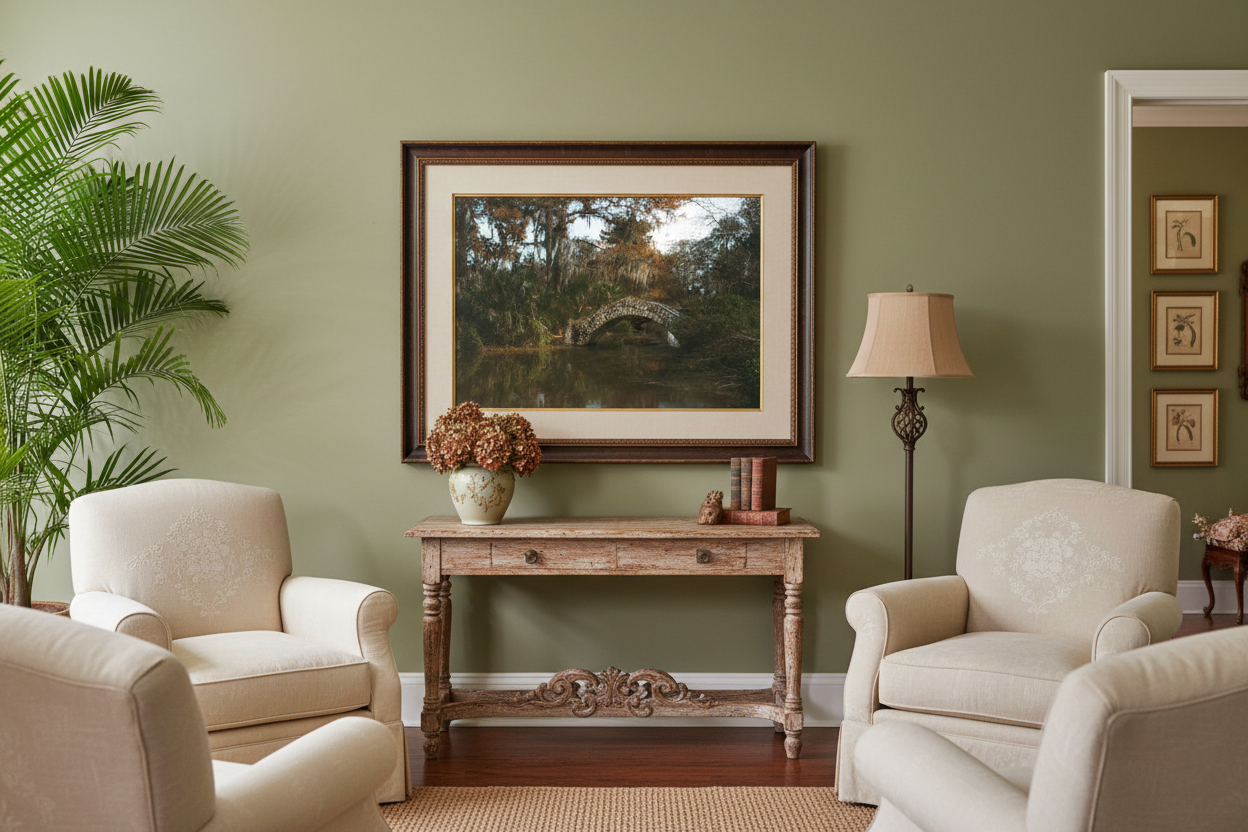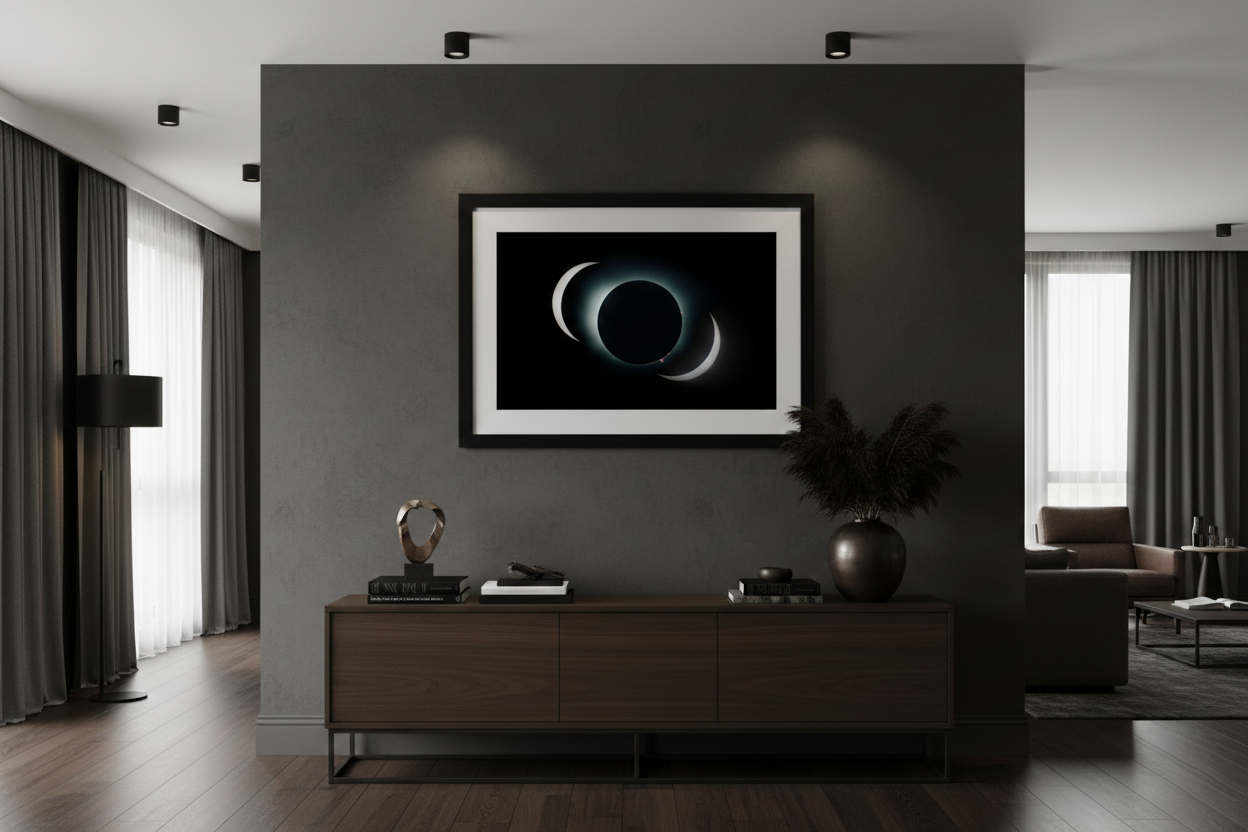
Tag: Buying Guide

Practical guidance for buyers — the questions to ask and what to weigh before purchasing art.

  • From First Purchase to Curated Collection: Your Roadmap

    From First Purchase to Curated Collection: Your Roadmap

    Every collection starts the same way. With one piece.

    Not a perfectly planned vision.
    Not a fully formed aesthetic.

    Just something that felt right at the time. And if you’re early in the process, it can be hard to see how that one decision turns into something more cohesive. But it does.

    You just don’t build it all at once.


    Step 1: Start With a Single Piece That Connects

    Your first purchase sets the tone—but it doesn’t define everything that comes after. It just needs to be something you genuinely connect with.

    Not something that matches your space perfectly. Not something you think you should like. Just something you want to live with.

    If you’ve followed along from the beginning, this should feel familiar. Because the foundation of any collection is simple: Connection first.


    Step 2: Pay Attention to What You’re Drawn To

    After that first piece, something interesting happens. You start to notice patterns.

    Certain tones.
    Certain compositions.
    Certain environments or moods.

    That’s your taste becoming more defined. Not forced. Not curated yet. Just revealed.


    Step 3: Add With Intention, Not Urgency

    This is where most people go off track. They try to “complete” a collection too quickly. But strong collections aren’t built fast.

    They’re built thoughtfully. Each addition should feel like it belongs—not because it matches perfectly, but because it resonates in the same way your first piece did. That takes time. And that’s a good thing.


    Step 4: Think in Relationships, Not Just Individual Pieces

    At a certain point, you stop seeing each piece in isolation. You start seeing how they work together.

    How one image balances another.
    How tones and textures interact.
    How spacing and scale create rhythm.

    This is where a collection starts to feel curated. Not because everything is identical. But because everything feels connected.


    Step 5: Refine Over Time

    A collection isn’t static. It evolves.

    You may rearrange pieces. Upgrade presentation. Add something that shifts the entire dynamic.

    That’s part of the process. And it’s what keeps collecting interesting.


    How This Brings Everything Together

    In the previous post—The Art of Display: Why Presentation Affects Perceived Value—we talked about how placement and presentation shape how work is experienced.

    This is the full picture. Because collecting isn’t just about choosing individual pieces. It’s about building something over time—something that reflects your taste, your environment, and how you want your space to feel.


    A Simple Way to Think About It

    You don’t need a perfect plan.

    You need a starting point.

    And the willingness to keep going.


    Final Thought

    No one builds a great collection overnight. They build it piece by piece—by paying attention to what resonates, and trusting that over time, it will come together.

    And it does.

    If you’re ready to start (or continue) building your collection, explore the current selection of limited edition prints and find the next piece that moves you forward.
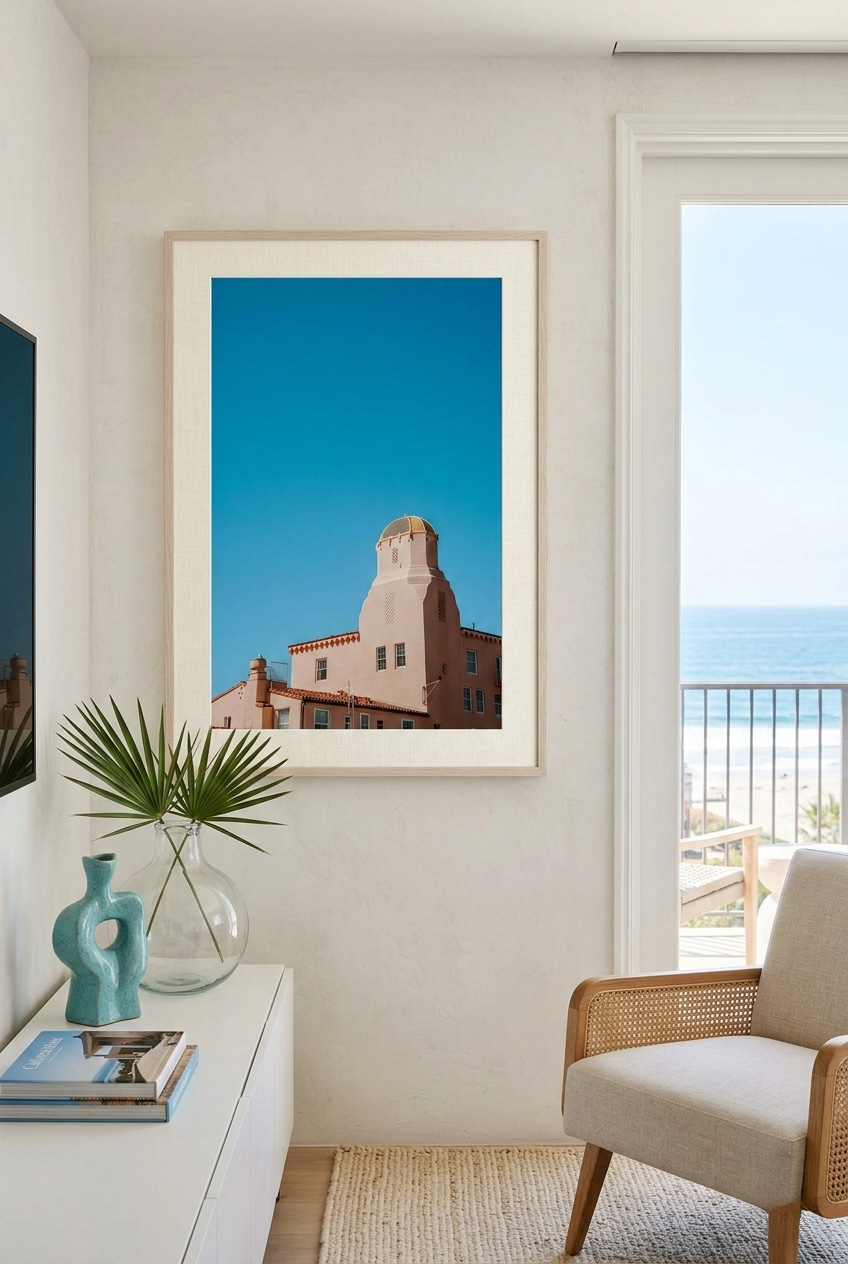
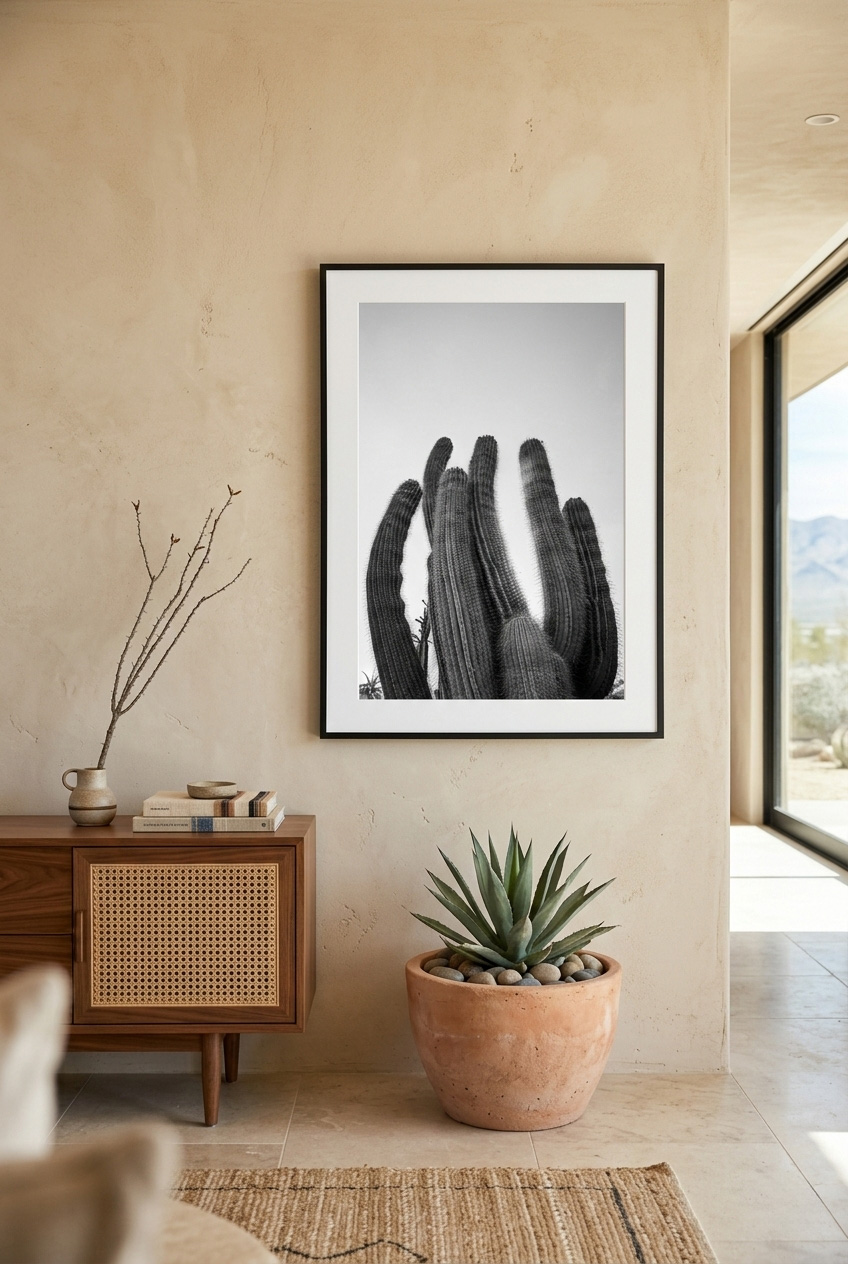
    Browse Available Limited Edition Prints

  • Are Photography Prints a Good Investment? Let’s Be Honest

    Are Photography Prints a Good Investment? Let’s Be Honest

    At some point, almost every new collector asks the same question:

    “Is this a good investment?”

    It’s a fair question. But it’s also one that gets answered poorly—usually with vague optimism or outright hype. So let’s be honest about it.


    What People Mean by “Investment”

    Most of the time, when someone asks this, they’re really asking:

    Will this go up in value? Will I be able to sell it later for more than I paid?

    And while that can happen in the art world, it’s not the norm—especially not in the beginning. Art isn’t a stock. It doesn’t follow predictable patterns. There’s no chart to track. No guaranteed return.

    And if that’s your primary reason for buying, you’re setting yourself up for disappointment.


    Where Photography Prints Do Hold Value

    That said, value in art isn’t imaginary—it’s just misunderstood. Certain factors do contribute to long-term value:

    • Limited editions (true scarcity)
    • Strong, consistent body of work
    • Artist growth over time
    • Print quality and longevity

    When those elements align, appreciation is possible. But it’s rarely immediate—and never guaranteed.


    What Smart Collectors Actually Focus On

    The collectors who stay in this long-term don’t approach art like a financial asset. They approach it like something they want to live with. Because the real return shows up in a different way:

    You see it every day.
    It changes how your space feels.
    It holds your attention over time.

    That’s not a line item on a spreadsheet. But it’s real value.


    How This Connects to What You’ve Learned

    In the previous post—The 5 Questions Every Smart Collector Asks Before Buying—we talked about evaluating a piece through connection, quality, and long-term fit.

    This is where that framework matters most. Because if a piece checks those boxes, it’s already a strong “investment” in the ways that actually hold up. Financial upside becomes a possibility—not the purpose.


    When Art Does Become Financially Valuable

    Here’s the part most people don’t talk about clearly: Art tends to gain value after an artist gains recognition—not before.

    Which means the biggest opportunities often come from:

    • Discovering work early
    • Following artists whose work evolves and improves
    • Collecting consistently, not reactively

    But even then, there are no guarantees. And that’s important to understand going in.


    A Better Way to Think About It

    Instead of asking: “Will this make me money?”

    Ask: “Is this worth owning, even if it doesn’t?”

    Because if the answer is yes, you’ve already made a good decision. And if value grows over time?

    That’s a bonus. Not the reason.


    Final Thought

    Photography prints can become valuable. But the best ones already are—just not in the way most people expect.

    They add something to your space. They hold your attention. They stay with you.

    And that’s where collecting starts to make sense.

    If you’re ready to invest in something you actually get to live with, explore the current collection of limited edition prints and find the one that earns its place in your space.

    Browse Available Limited Edition Prints

  • The 5 Questions Every Smart Collector Asks Before Buying

    The 5 Questions Every Smart Collector Asks Before Buying

    Buying your first few pieces of art can feel surprisingly complicated. Not because there aren’t good options—but because there are too many.

    Everything starts to blur together. Styles, sizes, prices, editions. And without a clear way to evaluate what you’re looking at, it’s easy to fall back into hesitation. The collectors who move past that stage don’t have better taste.

    They just ask better questions.


    1. Do I Actually Connect With This Piece?

    This is always the first filter Not price. Not size. Not whether it “fits the room.”

    Connection comes first.

    Because if you don’t feel something when you look at a piece now, that’s not going to improve over time. The strongest collections aren’t built on logic. They’re built on resonance.

    If you find yourself coming back to the same image more than once, pay attention to that.


    2. Is This Meant to Be Limited—or Mass Produced?

    Once you’ve found something you connect with, the next question is about how it exists.

    Is this a piece that’s widely reproduced and easily replaced? Or is it part of a defined, limited body of work?

    This is where scarcity comes into play. Not as a marketing tactic—but as a structural difference.

    If you need a deeper breakdown of how that impacts what you’re buying, revisit The Truth About Signed vs. Unsigned Prints.

    Because once you understand how editions work, you start to see the difference immediately.


    3. Does the Quality Hold Up Under a Closer Look?

    At a distance, most prints look fine. Up close is where the truth shows up. Look for:

    • Depth in shadows and highlights
    • Smooth transitions in color
    • Material that feels substantial

    If you’ve read How to Spot a High-Quality Fine Art Print in Seconds, this is where that knowledge becomes practical.

    Because quality isn’t just about how something looks online. It’s about how it holds up in real life.


    4. Can I See This in My Space Long-Term?

    Trends fade quickly. Good work doesn’t. Try to picture the piece in your space—not just today, but a few years from now.

    Does it still feel like something you’d want to live with? Does it hold your attention? Or does it feel like something you might outgrow?

    That distinction matters more than most people realize.


    5. Would I Regret Not Buying This?

    This is the final filter—and the most honest one. Because by this point, you’ve already considered connection, quality, and longevity.

    Now it comes down to instinct.

    If you walked away from this piece today… would you keep thinking about it? Would you check back to see if it’s still available?

    If the answer is yes, you already have your answer.


    How This All Comes Together

    In the previous post—How to Spot a High-Quality Fine Art Print in Seconds—we focused on recognizing quality.

    This builds on that. Because collecting isn’t just about identifying a good print—it’s about knowing when something is worth owning.

    And these five questions give you a simple way to get there without overcomplicating the process.


    Final Thought

    Great collectors don’t avoid uncertainty. They just know how to move through it.

    They trust what they’re drawn to.
    They understand what they’re buying.

    And when something feels right—they act on it.

    If you’re ready to start collecting with that level of clarity, explore the current selection of limited edition prints and find the piece that answers all five questions for you.

    Browse Available Limited Edition Prints

  • How to Spot a High-Quality Fine Art Print in Seconds

    How to Spot a High-Quality Fine Art Print in Seconds

    Most people assume you need experience to recognize a high-quality print. That it takes years of collecting, or a trained eye, or some insider knowledge.

    It doesn’t.

    Once you know what to look for, you can spot the difference in seconds.


    Start With Your First Reaction

    Before you analyze anything, pay attention to your immediate response. Does the image feel flat… or does it have depth? Do the colors feel slightly off… or do they feel intentional?

    That first impression matters more than you think. Because high-quality prints tend to feel right before you can explain why.


    Look at the Depth, Not Just the Image

    A strong print doesn’t just show an image—it holds detail across the entire frame. Look closely at:

    • Shadows (are they rich or muddy?)
    • Highlights (are they soft or blown out?)
    • Gradients (are they smooth or banded?)

    Lower-quality prints tend to lose information in these areas. High-quality prints preserve it. You’ll notice it most in subtle transitions—like skies, water, or fine textures.


    Pay Attention to the Paper

    Paper is one of the fastest tells. You don’t need to know the exact name or brand—just look at how it feels and behaves.

    Does it feel thin or overly glossy? Or does it feel substantial, with a finish that actually complements the image? Fine art prints are typically produced on heavier, archival papers designed to:

    • Hold ink properly
    • Reduce glare
    • Maintain consistency over time

    If the material feels like an afterthought, it probably is.


    Color Should Feel Intentional

    This is where a lot of prints fall apart. Color in a high-quality print should feel:

    • Balanced
    • Controlled
    • True to the scene or artistic intent

    Not overly saturated. Not dull. Just… right. If something feels slightly off—even if you can’t explain it—you’re probably noticing poor color accuracy.


    Clarity Without Harshness

    Sharpness matters—but there’s a difference between clarity and harshness. A high-quality print will feel detailed without looking over-processed. Edges should be clean. Textures should be defined.

    But nothing should feel artificially crisp or exaggerated.


    How This Builds on What You Already Know

    In the previous post—The Real Difference Between Fine Art Prints and Posters—we broke down how materials and production separate something made to last from something made to be replaced. This is how you actually see that difference.

    Not in theory. But in practice. Once you recognize these details, it becomes very difficult to ignore them.


    A Simple Gut Check

    If you’re ever unsure, ask yourself this:

    Does this feel like something that will still look good in five years? Or does it feel like something that looks good right now?

    That one question filters out most low-quality prints immediately.


    Final Thought

    A high-quality print doesn’t need to announce itself.

    You can see it in the depth.
    You can feel it in the material.

    And once you know what to look for, the difference becomes obvious.

    If you’re ready to collect work that holds up—not just today, but over time—explore the current selection of limited edition fine art prints and experience that level of quality firsthand.

    Browse Available Limited Edition Prints

  • The #1 Mistake New Art Collectors Make (And How to Avoid It)

    The #1 Mistake New Art Collectors Make (And How to Avoid It)

    If you’ve ever thought about buying your first piece of art, there’s a good chance you’ve paused longer than you expected.

    Not because you didn’t find something you liked—but because you weren’t sure if it was the right choice.

    That hesitation is where most people get stuck. And it leads directly to the most common mistake new collectors make:

    They try to buy what they think they’re supposed to like.


    Why This Happens

    Art collecting carries a kind of quiet pressure.

    There’s an assumption that you need to get it right the first time—something refined, something valuable, something that makes sense not just to you, but to anyone who sees it.

    So instead of trusting your instinct, you start filtering every option through a mental checklist. Price. Popularity. What it might look like on your wall. What someone else might think.

    And slowly, the process shifts from excitement to hesitation.

    You scroll.

    You compare.

    You wait.

    And more often than not, you end up walking away without choosing anything at all.


    What Actually Drives Great Collections

    The strongest collections don’t start with strategy—they start with a reaction.

    A pause.

    A moment where something catches your attention and holds it just a little longer than expected.

    That’s the signal most people ignore.

    And it’s the one that matters most.

    Because when you remove the pressure to “get it right,” something else starts to take shape—your taste. Not fully defined yet, but beginning to reveal itself.

    That’s where collecting begins.


    A Better Approach

    Instead of asking yourself if something is the right choice, try asking a better question:

    Would I regret not owning this?

    It’s a small shift, but it changes everything. Because if you keep coming back to the same piece… if you can already picture it in your space… if it creates even a subtle emotional pull—that’s not random.

    That’s alignment.

    And it’s far more reliable than trying to outthink your own instincts.


    Where Value Fits In

    Details like edition size, print quality, and artist reputation do matter.

    But they come after connection—not before it.

    Because at the end of the day, you’re not just acquiring something to store or resell.

    You’re choosing something to live with.

    Something that becomes part of your space, your routine, your environment.

    That’s what makes it worth getting right—but not in the way most people think.


    Final Thought & Call to Action

    Every serious collector starts the same way—with one piece that feels right.

    Not perfect.
    Not strategic.

    Just meaningful.

    If you’re ready to take that first step, explore the current collection of limited edition prints and find the one that stays with you long after you’ve closed the page.

    Browse Available Limited Edition Prints

  • The First Photograph Is the Hardest: How to Start Collecting Fine Art Photography

    The First Photograph Is the Hardest: How to Start Collecting Fine Art Photography

    Most art collections begin the same way.

    Not with a grand plan or a carefully researched investment strategy—but with a single photograph that stops someone in their tracks.

    The hardest step in collecting fine art photography isn’t building the collection.

    It’s starting the first one.

    For many people, the art world can feel intimidating at first. Galleries, editions, certificates, and pricing structures can seem mysterious if you haven’t encountered them before.

    But collecting photography doesn’t require specialized knowledge.

    It simply begins with learning what makes a photograph collectible—and finding images that resonate with you.


    Why Photography Is One of the Most Accessible Art Forms to Collect

    Photography occupies a unique place in the art world.

    Unlike paintings or sculptures, photographs can exist in limited editions, allowing multiple collectors to own the same artwork while still preserving rarity.

    This makes photography one of the most approachable entry points for new collectors.

    It allows people to begin collecting original artwork without needing the same level of financial commitment often required for other mediums.

    At the same time, photography offers incredible diversity in subject matter—from landscapes and travel imagery to documentary storytelling and conceptual work.

    For many collectors, photography becomes the first step into building an art collection.


    Understanding Limited Edition Prints

    One of the most important concepts in collecting photography is the limited edition.

    A limited edition means the artist produces only a specific number of prints of a photograph. Once the edition sells out, no additional prints of that image will be produced.

    Limiting the number of prints creates rarity, which helps preserve the value and collectibility of the artwork.

    Typical editions may range from:

    • 10 prints
    • 25 prints
    • 50 prints

    Each print is usually numbered and signed by the artist.


    Certificates of Authenticity

    Many fine art photographs are accompanied by a certificate of authenticity.

    This document verifies important details about the artwork, including:

    • the artist
    • the title of the photograph
    • the edition number
    • the print process
    • the date of production

    Certificates provide collectors with documentation confirming that the artwork is genuine.

    They also help maintain provenance if the artwork is later resold or passed on to future collectors.

    If you’re curious about how these certificates work, you may also enjoy:

    What Is a Certificate of Authenticity — And Why It Matters for Collectors


    The Importance of Archival Printing

    Another key factor in fine art photography is archival printing.

    Archival prints are produced using museum-quality materials designed to last for decades without significant fading or degradation.

    These materials typically include:

    • acid-free fine art papers
    • cotton rag papers
    • pigment-based inks

    Together, these components help ensure the photograph remains stable over time.

    If you’d like to learn more about this process, you may also enjoy reading:

    Why Some Photography Prints Last 100 Years — And Others Fade in a Decade


    How to Choose the First Piece for Your Collection

    Many new collectors assume they should focus on investment value or market trends when purchasing art.

    But the strongest collections often begin with something simpler:

    choosing work that you genuinely connect with.

    Ask yourself:

    • Does this photograph hold my attention?
    • Would I enjoy seeing it every day?
    • Does it evoke a memory or feeling?

    Art collections often grow organically over time.

    The first piece simply sets the tone.


    Building a Collection Over Time

    Once someone purchases their first photograph, something interesting often happens.

    They begin noticing photographs differently.

    Collectors start paying attention to:

    • composition
    • light
    • storytelling
    • printing quality
    • artistic voice

    Over time, collections may develop themes—such as landscapes, travel photography, or documentary work.

    Others remain eclectic, reflecting the collector’s personal journey and experiences.

    Both approaches are equally valid.

    A meaningful collection is simply one that reflects the collector’s perspective.


    Living With Photography

    One of the joys of collecting photography is how naturally it integrates into daily life.

    Photographs can transform a room, anchor a space, or serve as a quiet reminder of a place or moment.

    Unlike art that lives primarily in galleries or museums, photography often feels deeply personal when displayed in the home.

    For many collectors, the artwork becomes part of the environment where life unfolds.


    The First Step

    Starting an art collection doesn’t require expertise.

    It begins with curiosity.

    Learning about limited editions, archival materials, and provenance simply helps collectors make informed decisions as their collections grow.

    But the most important step remains the same:

    Finding the photograph that speaks to you—and bringing it into your life.

    Featured limited editions

    A curated selection of landscapes available in limited quantities. Visit the shop for current availability, sizes, and framing options.