

Subscribe to continue reading
Subscribe to get access to the rest of this post and other subscriber-only content.
Subscribe to get access to the rest of this post and other subscriber-only content.
Subscribe to get access to the rest of this post and other subscriber-only content.
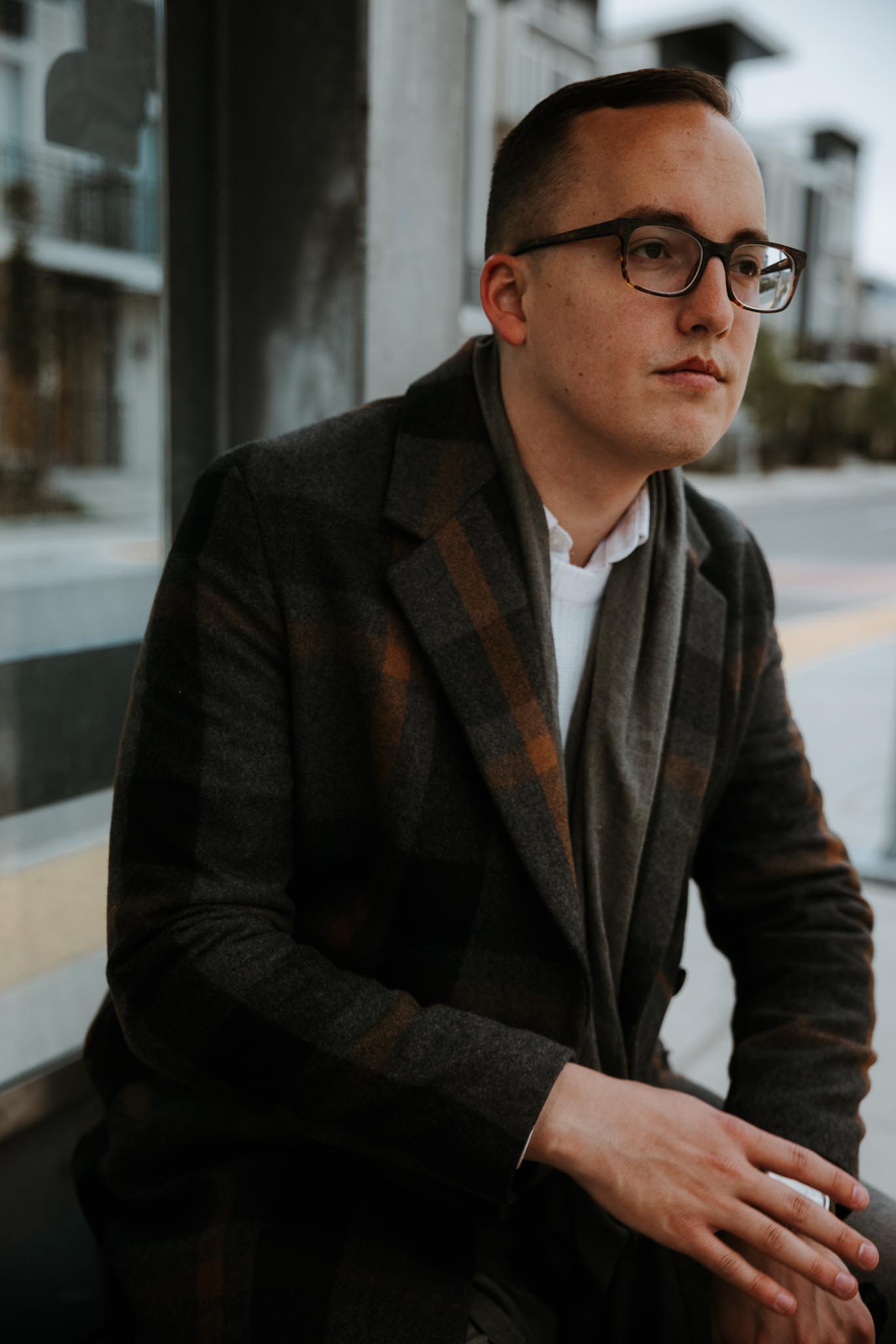
The best portraits come from preparation, not posing.
Many people assume that great portraits depend on knowing exactly how to stand or where to look. In reality, the most compelling portraits come from something much simpler—feeling comfortable, confident, and present in the moment.
A little preparation before your session can make a big difference. When you feel relaxed and prepared, your personality naturally comes through in the photographs.
Portrait sessions aren’t about performing for the camera. They’re about creating space for genuine expressions and moments to unfold naturally.
Clothing plays a significant role in how a portrait feels.
Rather than choosing something purely for the photograph, select outfits that feel authentic to your personal style.
A few simple guidelines can help:
Neutral tones and natural textures often photograph beautifully, especially in outdoor settings.
The goal is not to create a costume, but to wear something that allows you to feel like yourself.
The setting for your portrait session helps shape the mood of the images.
Some portraits feel powerful in dramatic landscapes, while others work best in simple, quiet environments.
Location can influence:
Choosing a location that feels meaningful or comfortable can make the entire experience feel more natural.
Portrait photography often becomes more meaningful when there is intention behind it.
Ask yourself a few simple questions:
Some portraits celebrate milestones, while others simply capture a moment of personal reflection.
Thinking about the story behind the image can help guide decisions about clothing, location, and style.
One of the most common concerns people express before a portrait session is feeling awkward in front of the camera.
In reality, most people feel this way at first.
The key is remembering that portrait sessions are not about perfection.
Natural interaction, conversation, and small movements often create the most compelling images.
The more comfortable you feel, the more your personality naturally appears in the photographs.
Incorporating small personal elements can help portraits feel more meaningful.
These might include:
These elements help tell a story and add depth to the images.
Portrait sessions are rarely about standing in one place and looking directly at the camera.
Movement, conversation, and small adjustments often help create relaxed and authentic moments.
Some of the most powerful portraits happen when people stop thinking about the camera entirely.
Allowing the session to unfold naturally helps those moments appear.
Portrait photography offers something that everyday life rarely provides: a moment to pause and reflect.
The photographs created during a portrait session become more meaningful over time.
They capture not only how someone looked, but who they were during that particular chapter of life.
Approaching the experience with openness and curiosity often leads to the most rewarding portraits.
If you’re curious about why personal portraits can be so meaningful, you may also enjoy reading:
➡ Why Everyone Should Have a Portrait Taken at Least Once in Their Life
Most of the above applies whatever session you’ve booked. If yours is a more private one, private men’s portrait sessions goes through how those specifically work, including what happens before anyone picks up a camera.
Share your preferred dates, location ideas, and who will be included. I will respond with availability and a clear plan for your session.
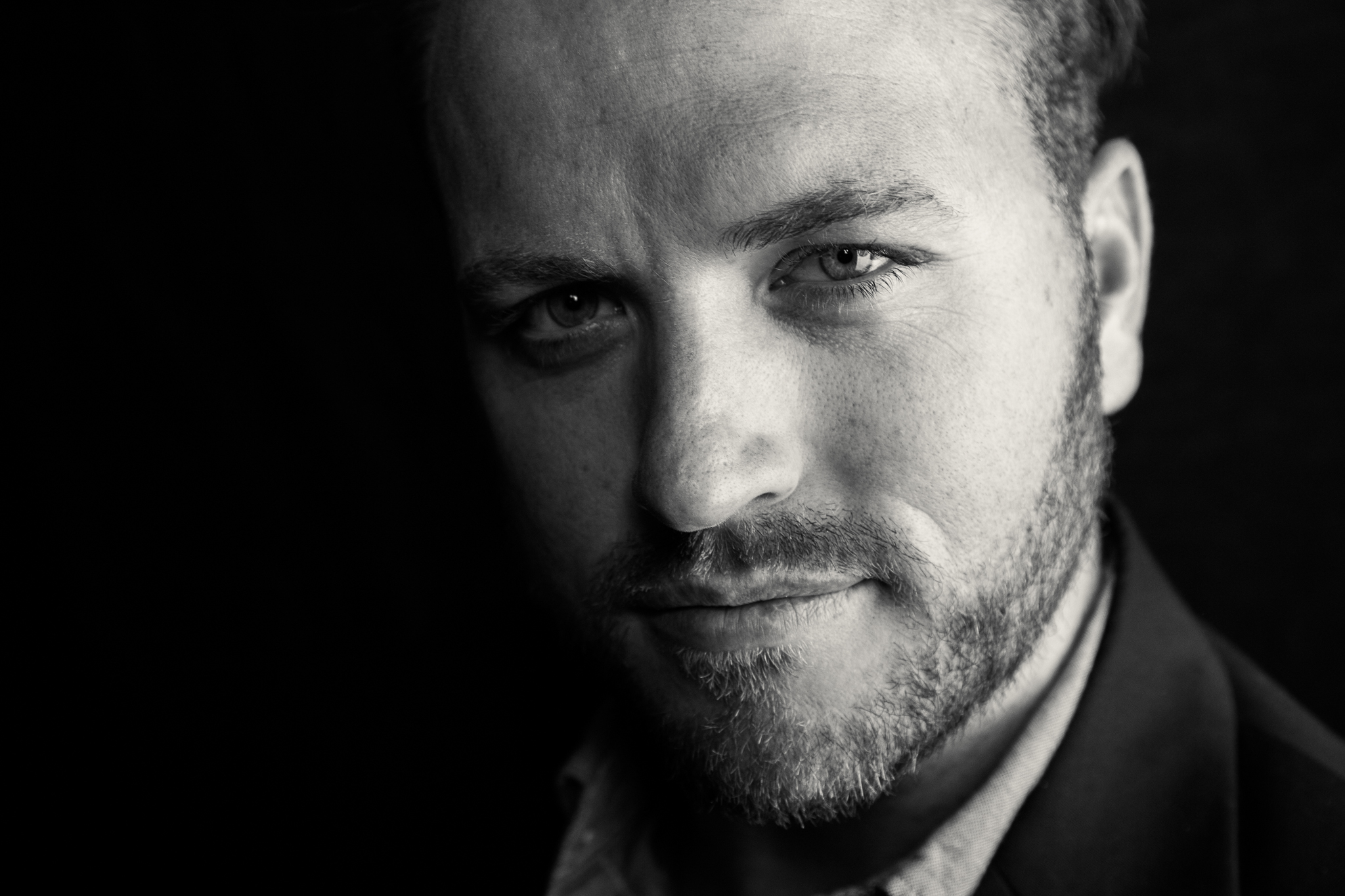
Portrait photography isn’t just about how you look — it’s about capturing who you are in a moment of time.
Life moves quickly. Seasons change, careers evolve, relationships deepen, and the quiet details of our everyday lives gradually shift.
Portrait photography creates a way to pause that movement for a moment. It preserves not just an image of a person, but a reflection of who they are during a particular chapter of life.
While many people associate portraits with special occasions—graduations, engagements, or professional milestones—the truth is that meaningful portraits can exist at any stage of life.
Sometimes the most powerful portraits are simply about remembering who you were.
Photography has a unique ability to pause life for just a fraction of a second.
A portrait captures more than clothing, hairstyle, or expression—it captures a person within a specific moment of their life story.
Years later, those images become reminders of who you were during that time.
The quiet confidence in your expression, the way light fell across your face, the subtle details of posture and personality—these elements become part of a visual memory.
Portraits preserve those fleeting moments.
Unlike casual snapshots, intentional portrait sessions allow space for storytelling.
The setting, lighting, and mood of a portrait can reflect aspects of a person’s personality, interests, or experiences.
Some portraits feel bold and expressive.
Others feel quiet and reflective.
Each photograph becomes part of a larger narrative about who someone is and how they see themselves in the world.
Many people choose portrait sessions to mark meaningful transitions in life.
Examples include:
These moments often represent turning points, and portraits can help preserve the feeling of that time.
Years later, the images become reminders of both the achievement and the journey that led there.
For many people, the idea of being photographed alone can feel intimidating.
But portrait sessions often become surprisingly empowering experiences.
Seeing oneself through a thoughtful and artistic lens can shift perspective.
Instead of focusing on imperfections, portrait photography often highlights qualities that people may not notice about themselves—strength, warmth, creativity, or quiet confidence.
For many individuals, the experience becomes less about posing and more about rediscovering their own presence.
Family photographs often document shared experiences.
Individual portraits, however, tell a more personal story.
They become visual records of who someone was at a specific moment in their life.
Over time, these images take on deeper meaning.
They become part of personal history—small windows into different chapters of life.
Some of the most powerful portraits are also the simplest.
A person standing in natural light.
A quiet moment of reflection.
A subtle expression that reveals personality without needing elaborate staging.
These understated portraits often feel timeless because they focus on the subject rather than distractions around them.
Many people worry about feeling awkward in front of the camera.
In reality, the most successful portrait sessions focus less on formal posing and more on creating a relaxed environment.
Movement, conversation, and natural interaction often lead to photographs that feel authentic rather than forced.
If you’re preparing for your own portrait session, you may also find this helpful:
➡ How to Prepare for a Personal Portrait Session
One of the most meaningful aspects of portrait photography is how its value grows over time.
What may feel like a simple photograph today can become deeply significant years later.
Portraits allow us to see ourselves as we once were—capturing a moment that might otherwise fade from memory.
And sometimes, those images become the photographs we are most grateful to have preserved.
That’s true of every kind of session, including the more private ones. If the portrait you’ve been quietly considering is that kind, private men’s portrait sessions covers how those run — same approach, smaller room, nobody else in it.
Share your preferred dates, location ideas, and who will be included. I will respond with availability and a clear plan for your session.
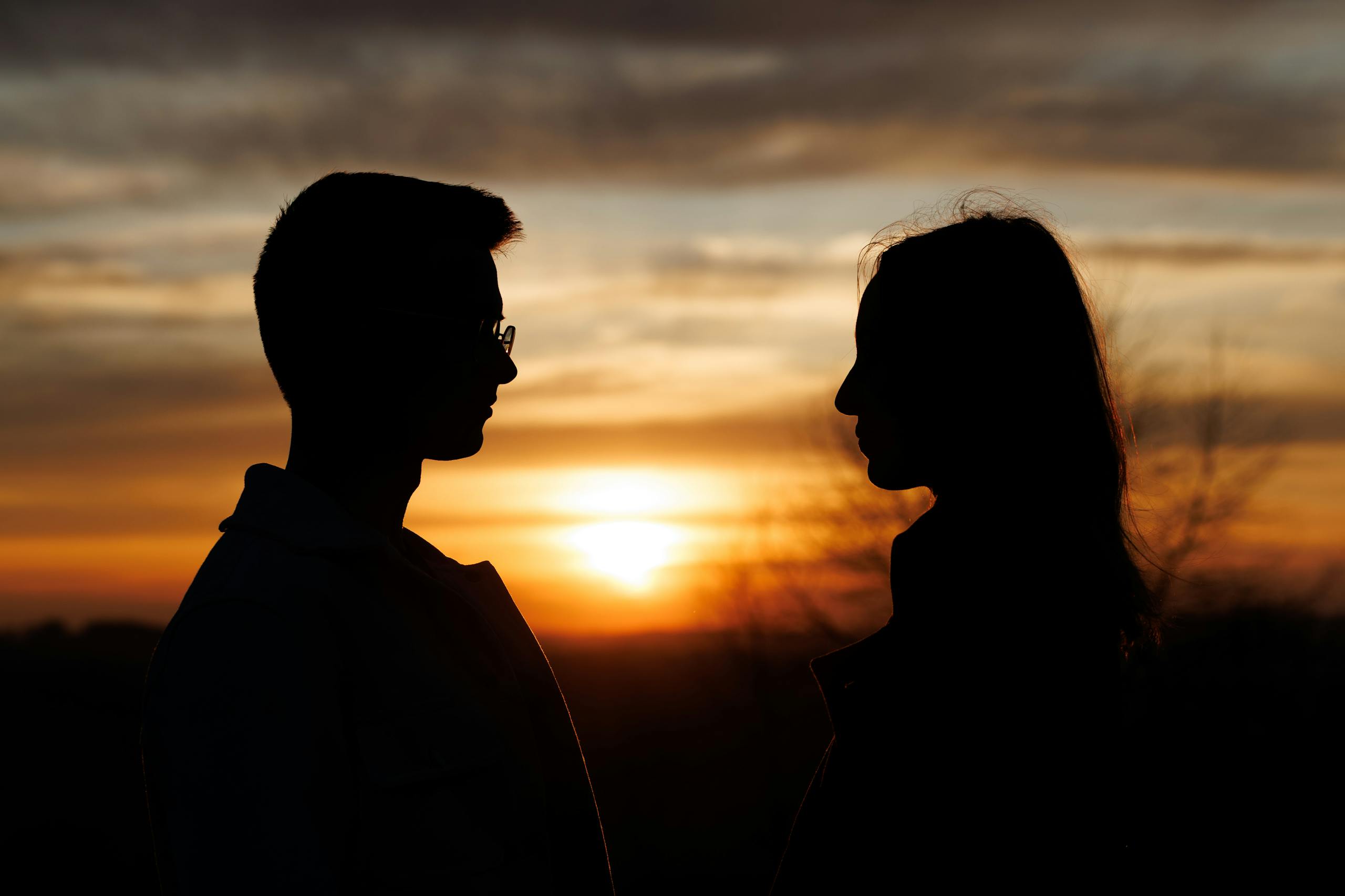
The difference between sunrise and sunset engagement photos is bigger than most couples realize.
Both times of day offer beautiful natural light, but they create very different experiences and atmospheres for a photography session.
Sunrise sessions often feel quiet and peaceful, while sunset sessions bring warm, glowing light and dramatic skies. The choice can influence everything from the mood of the photographs to how relaxed the session feels.
Understanding the advantages of each can help couples choose the experience that best fits their personalities and vision.
Natural light is one of the most important elements in photography.
Midday sunlight can be harsh and create strong shadows, which is why most engagement sessions are scheduled during golden hour—the time shortly after sunrise or just before sunset when the light is softer and more flattering.
Both sunrise and sunset produce beautiful light, but the feeling of each session can be very different.
Sunrise sessions offer a calm and peaceful atmosphere that many couples find surprisingly enjoyable.
Early morning light is soft and gentle, and popular locations are often completely empty.
Fewer crowds
Many popular photo locations in Utah become busy in the evening. Sunrise sessions often provide quiet spaces where couples can relax without distractions.
Soft, delicate light
Morning light tends to feel cool and subtle, producing images with a peaceful, dreamy atmosphere.
Calmer wind conditions
Morning hours often bring more stable weather and calmer air, which can help create cleaner, softer images.
The biggest challenge of sunrise sessions is simply the early wake-up time. Couples often need to begin getting ready well before dawn.
For couples who enjoy quiet mornings or want a more private experience, however, sunrise can be incredibly rewarding.
Sunset sessions are the most common choice for engagement photography.
The warm tones of evening light and colorful skies often create dramatic and romantic images.
Golden warm light
The light during sunset has a warm glow that adds depth and richness to photographs.
Colorful skies
Clouds often reflect vibrant colors during sunset, producing beautiful backdrops.
More convenient timing
Evening sessions tend to fit more easily into most couples’ schedules.
Because sunset is a popular time for photography, certain locations may have more visitors during the evening.
Choosing a quieter location or exploring less crowded areas can help maintain a relaxed atmosphere.
If you’re still deciding where to take your photos, you may enjoy reading:
➡ The Most Romantic Engagement Photo Locations in Utah
The best choice depends less on photography rules and more on the experience you want during your session.
Sunrise may be perfect if you:
Sunset may be ideal if you:
Both options can produce stunning engagement photographs.
Engagement sessions are about more than lighting.
They are about capturing a moment in your relationship during a meaningful season of life.
Whether the sun is just beginning to rise or slowly setting behind the mountains, the most memorable photographs often come from moments of genuine connection between two people.
If you’re preparing for your session, you may also find this helpful:
➡ How to Prepare for Your Engagement Session (Without Feeling Awkward in Front of the Camera)
Sunrise or sunset, the light is only half of the decision. The other half is how the session is paced around it, and that part lives on my engagement photography page.
Share your preferred dates, location ideas, and who will be included. I will respond with availability and a clear plan for your session.
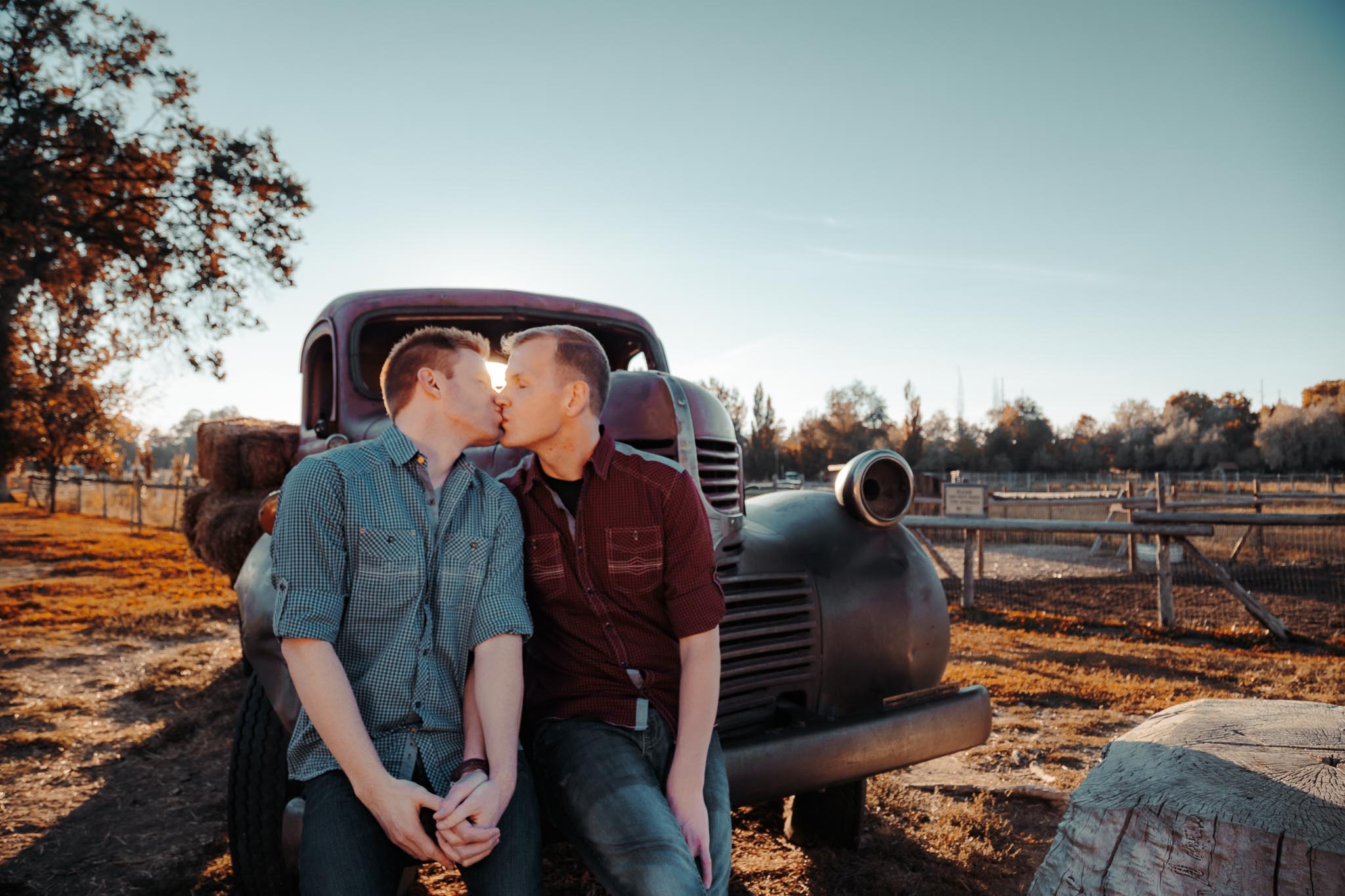
Almost every couple says the same thing before their session: “We’re not good at photos.”
And the truth is—almost no one feels completely comfortable in front of a camera at first.
But engagement sessions aren’t about modeling or perfect posing. They’re about capturing a moment in your life together. The best engagement photographs come from natural interaction, conversation, and movement rather than stiff, formal poses.
With a little preparation and the right mindset, your session can feel relaxed, enjoyable, and even surprisingly fun.
Many couples assume they need to know how to pose before arriving at their session.
In reality, most engagement sessions focus less on formal poses and more on natural interaction.
Simple activities—walking together, talking, laughing, or exploring a location—create authentic moments that translate beautifully in photographs.
Instead of worrying about posing perfectly, focus on spending time together and enjoying the experience.
The environment plays a huge role in helping couples relax.
A location that feels comfortable or meaningful can immediately make the session feel more personal.
Some couples choose places connected to their story, while others are drawn to scenic landscapes.
Utah offers an incredible range of engagement photo locations, from alpine mountains to desert landscapes.
If you’re still deciding on a location, you may enjoy reading:
➡ The Most Romantic Engagement Photo Locations in Utah
Wardrobe can influence how confident and relaxed you feel during the session.
Choose outfits that are comfortable, coordinated, and reflective of your personal style.
A few simple guidelines can help:
If you’d like more ideas, you may also find this helpful:
➡ What to Wear for Outdoor Family Photos in Utah
Many of the same wardrobe principles apply to engagement sessions as well.
One of the easiest ways to feel more comfortable is to shift your attention away from the camera.
Instead of thinking about the photograph, focus on your partner.
Simple interactions—holding hands, whispering something funny, walking together—create genuine expressions and natural body language.
These moments often produce the most meaningful photographs.
Engagement sessions often include lighthearted prompts or playful moments designed to help couples relax.
You might be asked to:
These prompts aren’t meant to feel staged—they simply create space for authentic interaction.
The laughter that follows often leads to the best photographs.
Feeling a little nervous at the beginning of a session is completely normal.
Most couples find that within a few minutes they forget about the camera entirely.
As the session unfolds, the focus shifts from posing to simply spending time together.
That relaxed energy is what makes engagement photographs feel natural and genuine.
Engagement sessions mark a unique chapter in your relationship.
Amid wedding planning and busy schedules, the session can become an opportunity to slow down and spend time together.
Approaching the experience with curiosity and openness allows those quiet moments of connection to emerge naturally.
And those moments are often what couples treasure most when they look back at their photographs.
Feeling awkward is the normal starting point, not a sign you have picked the wrong thing. If you want to know what you would be walking into, I have written out how I run an engagement session from first email to delivered gallery.
Share your preferred dates, location ideas, and who will be included. I will respond with availability and a clear plan for your session.
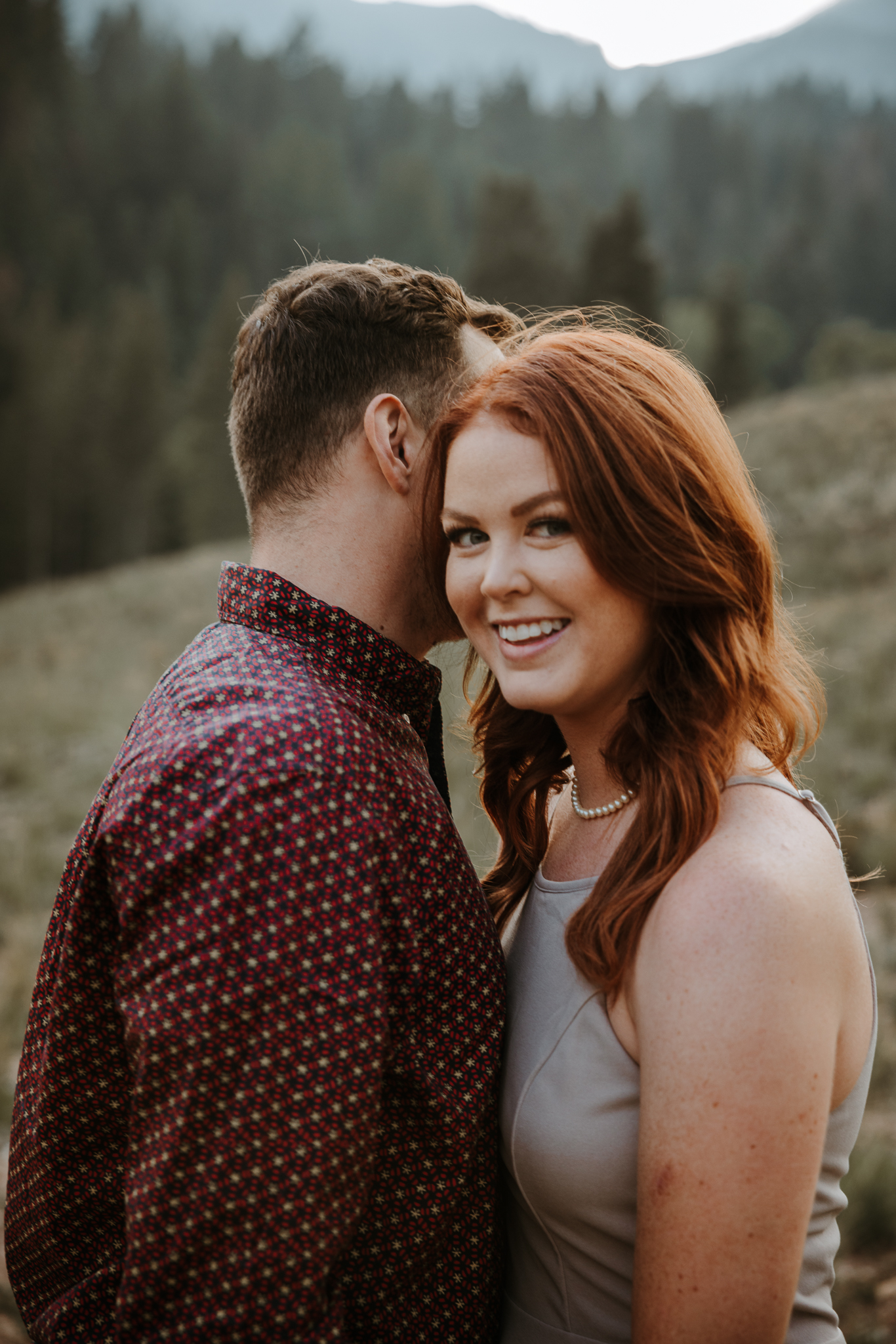
Utah offers some of the most dramatic engagement photo locations in the country — if you know where to go.
From alpine lakes and mountain meadows to desert cliffs and quiet salt flats, Utah’s landscapes create an incredible backdrop for engagement photography.
The right location does more than look beautiful in photographs. It sets the tone for the entire session—whether that means adventurous, peaceful, dramatic, or intimate.
Choosing a location that reflects your personality as a couple helps the photos feel authentic and meaningful.
Here are some of the most romantic engagement photo locations across Utah.
For couples who love mountain scenery, Big Cottonwood Canyon offers some of the most versatile engagement photo locations near Salt Lake City.
Tall pine forests, winding rivers, and alpine lakes create a peaceful atmosphere that feels far removed from the city.
During summer and early fall, wildflowers and soft mountain light make the canyon especially beautiful for evening sessions.
The canyon also offers several easily accessible spots, making it perfect for couples who want dramatic scenery without a long hike.
Few places in Utah feel as expansive and cinematic as Antelope Island.
Surrounded by the Great Salt Lake, the island offers wide-open landscapes, rolling hills, and breathtaking sunsets.
The light here can be extraordinary, especially as the sun reflects off the water and the sky begins to glow.
The island’s quiet, open spaces also create a sense of intimacy that works beautifully for engagement portraits.
High in the Wasatch Mountains, Albion Basin is one of the most iconic summer photo locations in Utah.
In July and August, wildflowers blanket the mountainsides, creating colorful alpine meadows that feel almost surreal.
Couples who want a dreamy, romantic mountain setting often fall in love with this location.
Because of its elevation and natural beauty, Albion Basin is particularly stunning during golden hour.
For couples drawn to minimalist landscapes, the Bonneville Salt Flats offer a completely unique engagement photo experience.
The endless white surface creates a surreal environment where sky and earth blend together.
At sunrise or sunset, the reflections and open space create incredibly dramatic images.
This location works especially well for couples who want something bold, artistic, and a little unconventional.
For a softer and more relaxed atmosphere, Utah Lake offers beautiful shoreline locations with tall grasses, warm sunset light, and open water views.
The lake’s calm environment can create a peaceful, romantic feeling during sessions.
Because the shoreline areas are spacious and quiet, couples often feel comfortable interacting naturally without the distraction of crowds.
Some of the most romantic engagement sessions happen in simple natural landscapes.
Utah’s open fields and alpine meadows offer soft light, wide views, and space to move naturally.
These locations are especially beautiful during late summer and early fall when grasses turn warm golden tones.
The simplicity of the environment helps keep the focus on the connection between the couple.
While Utah offers countless beautiful locations, the best choice often depends on the experience you want during your session.
Some couples are drawn to:
The goal is to choose a location that feels authentic to your relationship and comfortable for your session.
If you’re preparing for an upcoming session, you may also enjoy reading:
➡ How to Prepare for Your Engagement Session (Without Feeling Awkward in Front of the Camera)
Engagement photos are about more than scenery.
The best images capture the connection between two people during an exciting moment in their lives.
When the location feels right and the atmosphere is relaxed, the experience becomes less about posing and more about simply spending time together.
And those natural moments are often the ones couples treasure most.
If one of these places is already on your list, the hard part of planning is done. The rest — timing, pacing, what an hour actually feels like — is on my Utah engagement photography page.
Share your preferred dates, location ideas, and who will be included. I will respond with availability and a clear plan for your session.
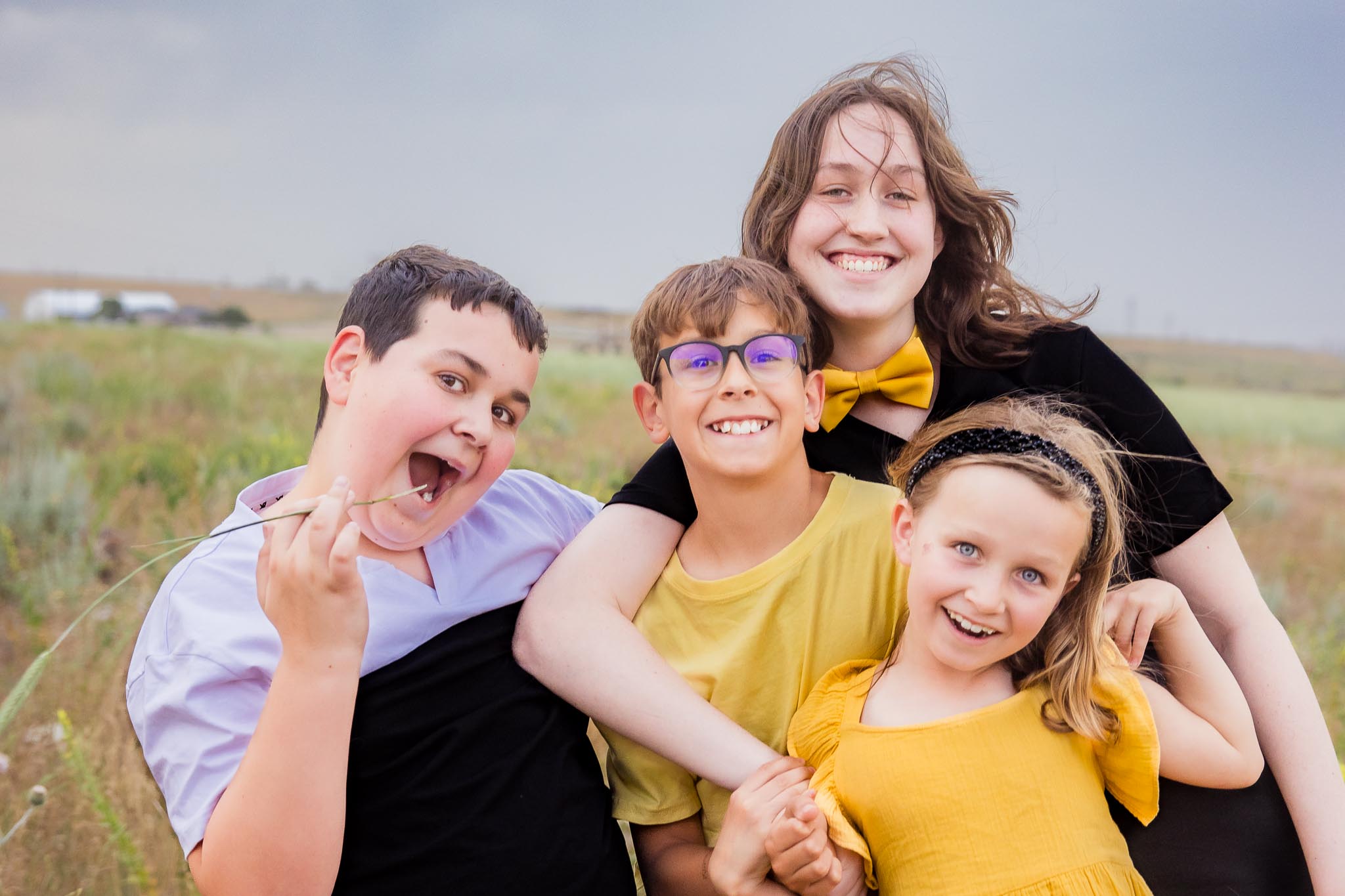
The secret to natural family photos isn’t perfect posing — it’s creating space for kids to be themselves.
Children rarely approach a photo session with the same expectations adults do. They aren’t thinking about perfect smiles or carefully arranged poses. They’re curious, energetic, and sometimes unpredictable.
And that’s actually a good thing.
The most memorable family photographs usually come from real moments—laughter, movement, and interaction. When kids feel relaxed and free to be themselves, those moments happen naturally.
A few simple strategies can help the entire session feel easier for both parents and children.
Timing can make a huge difference in how kids experience a photo session.
Most outdoor sessions take place near sunset because the light is soft and flattering. While that light is beautiful, it’s important to consider your child’s schedule.
If possible:
A well-rested child is far more likely to engage happily with the experience.
Children rarely enjoy standing still for long periods.
Instead of trying to hold perfectly posed positions, the best family sessions often include movement:
Movement helps kids relax and often produces the most genuine smiles.
It also creates photographs that feel alive and authentic rather than overly staged.
A few familiar items can help children feel more comfortable during a session.
Consider bringing:
These items can provide reassurance and help kids reset if they begin to feel overwhelmed.
The goal is to keep the experience relaxed rather than rigid.
One of the biggest sources of stress during family photos is the idea that everything needs to go perfectly.
In reality, children are unpredictable—and that unpredictability often leads to the most meaningful moments.
A quiet hug, a spontaneous laugh, or a child hiding briefly behind a parent can all become beautiful photographs.
When families embrace those moments instead of resisting them, the session becomes much more enjoyable.
Instead of focusing on the camera, the most natural images often happen when families interact with each other.
Parents can try simple prompts such as:
These interactions help children forget about the camera and simply engage with their family.
That’s when the most genuine expressions appear.
For younger children especially, play is the easiest way to create natural expressions.
Simple activities like:
can instantly bring energy and excitement into the photos.
These moments often become the images families treasure most.
A little preparation before the session can help kids feel more comfortable.
Let them know:
Framing the experience as an adventure rather than a formal photo shoot can help children approach it with curiosity instead of pressure.
Family photography sessions are ultimately about connection.
When children feel relaxed and supported, their personalities come through naturally. The laughter, movement, and small interactions between family members become the story captured in the photographs.
And those authentic moments are often far more meaningful than any perfectly posed portrait.
None of this needs a child who sits still — that’s the whole point of how I run these. There’s more on what a session looks like start to finish on the family portraits page.
Share your preferred dates, location ideas, and who will be included. I will respond with availability and a clear plan for your session.
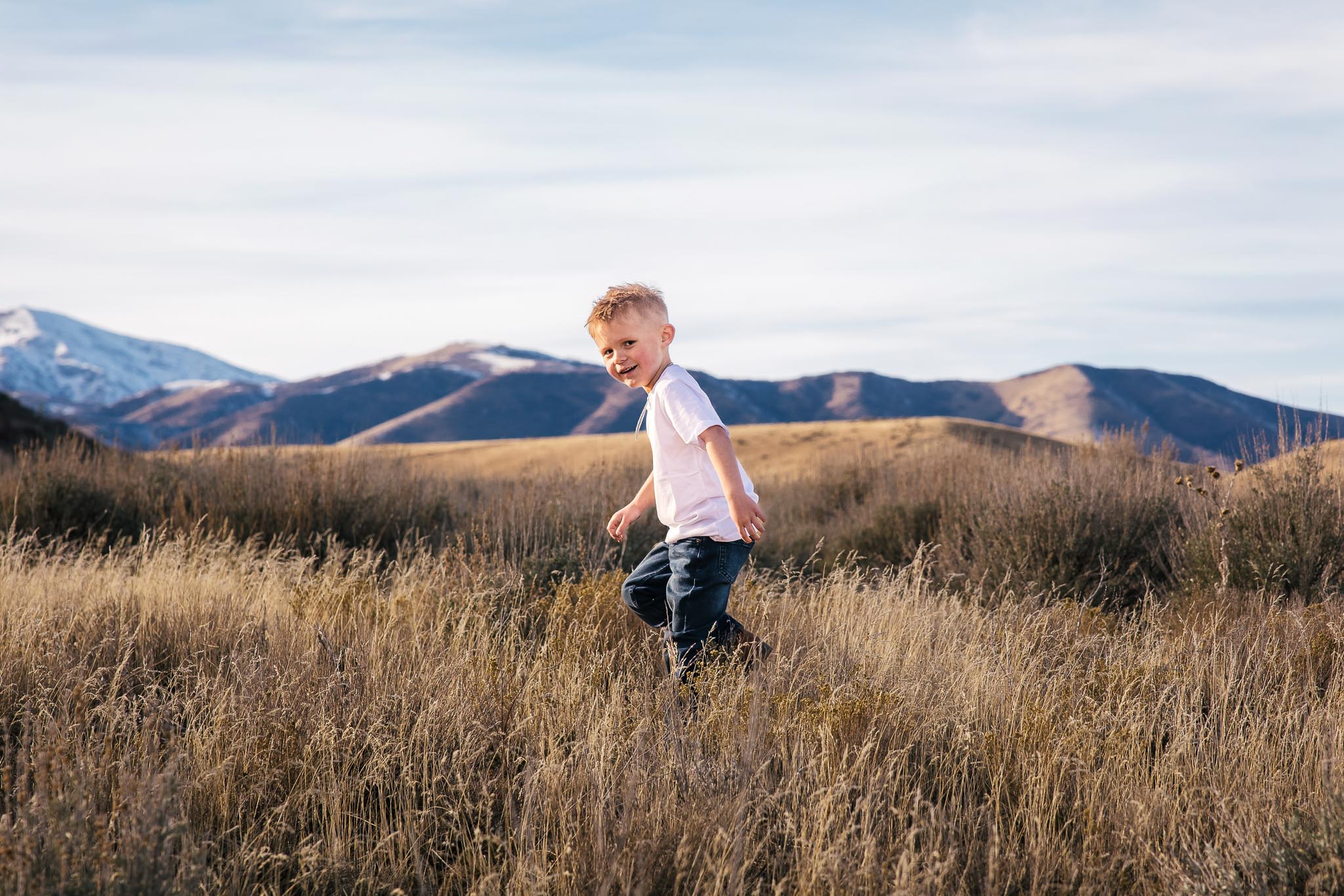

The biggest factor in beautiful family photos isn’t the location — it’s wardrobe coordination.
Utah offers stunning backdrops for family portraits—mountains, lakes, desert landscapes, and open meadows. But even the most breathtaking location can’t overcome clothing choices that distract from the moment.
Thoughtful wardrobe coordination helps family photos feel timeless, natural, and visually balanced. The goal isn’t to match perfectly—it’s to create harmony between colors, textures, and the environment around you.
With a little planning, clothing can elevate your photos from simple snapshots to images you’ll want on your walls for years.
The easiest way to coordinate family outfits is to choose a simple color palette.
Rather than matching the same color, aim for a group of complementary tones that work together.
Great palettes for outdoor family photos include:
These tones photograph beautifully in natural light and blend well with Utah’s landscapes.
Avoid overly bright or neon colors, which can reflect onto skin tones and pull attention away from faces.
Utah’s landscapes vary dramatically, and clothing should complement the setting.
For mountain locations, consider:
For desert or open field locations, lighter colors often work best:
For urban or architectural locations, slightly more structured outfits can look great.
If you’re still deciding on a location, you may also enjoy reading:
➡ The Best Locations for Family Photos in Utah
Matching white shirts and identical outfits were popular in family photography years ago, but they often look dated today.
Instead, aim for coordinated variety.
For example:
This creates visual interest while keeping the group cohesive.
Texture adds depth and richness to photographs.
Consider incorporating elements like:
These details create subtle variation in the image and help the photos feel more dimensional.
Patterns can work beautifully—but subtlety is key.
Good choices include:
Avoid bold graphics, large logos, or busy prints that draw attention away from faces.
In family photography, the goal is always the same:
the people should remain the focus.
Clothing that moves naturally in the wind or as you walk can create beautiful, organic moments.
Flowing dresses, skirts, or lightweight fabrics often photograph wonderfully outdoors.
These small details help bring life and movement into the images.
The most relaxed family sessions happen when wardrobe decisions are made ahead of time.
Consider laying out everyone’s outfits together before the session to see how the colors work as a group.
This simple step can help you catch clashing colors or patterns early.
If you’re preparing for an upcoming session, you may also find this helpful:
➡ How to Keep Kids Happy During Family Photos (So the Session Feels Easy)
Family photos are about capturing connection.
Clothing should support that moment—not distract from it.
When outfits are thoughtfully coordinated, the focus stays where it belongs: on the people, the laughter, and the quiet interactions that make each family unique.
Outfits are the question I get most, and it’s usually the last thing standing between a family and a date on the calendar. If you’re at that stage, the family portraits page has session length, what’s included and pricing in one place.
Share your preferred dates, location ideas, and who will be included. I will respond with availability and a clear plan for your session.
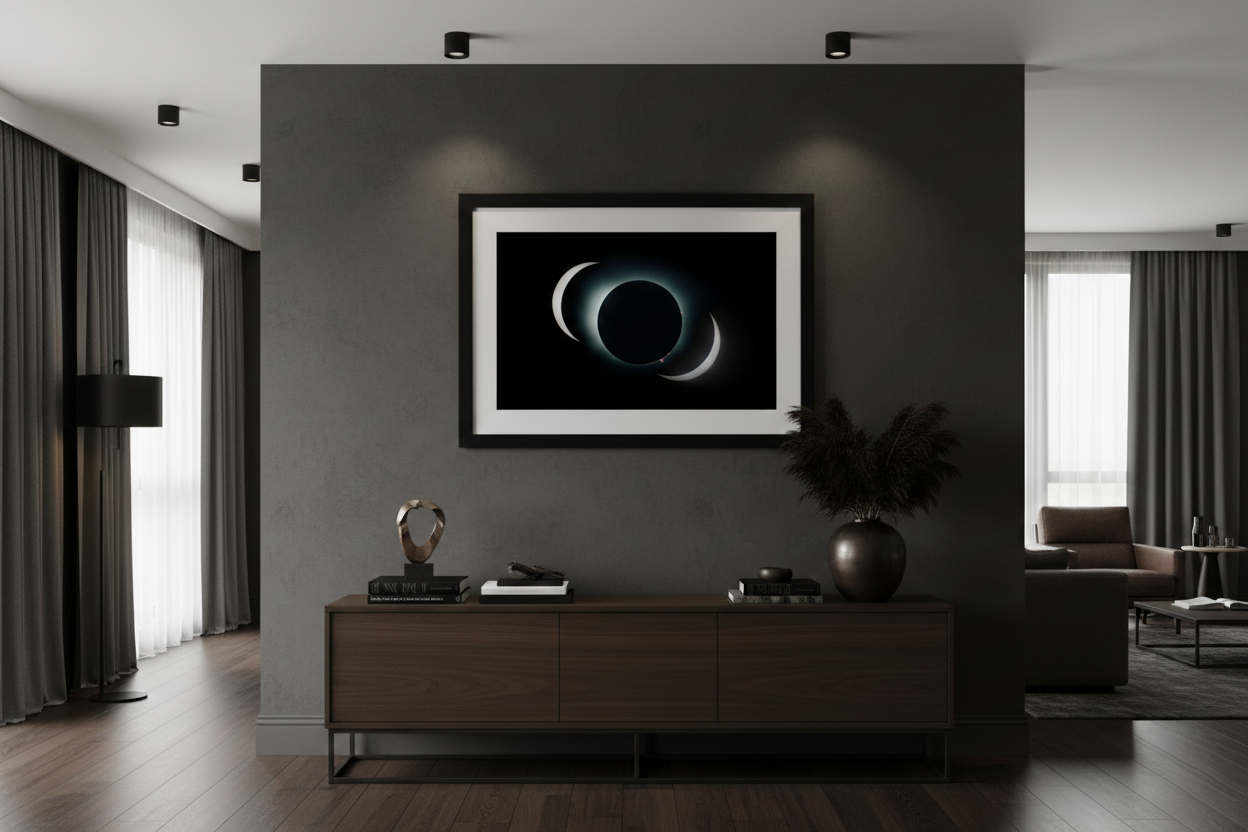
Most art collections begin the same way.
Not with a grand plan or a carefully researched investment strategy—but with a single photograph that stops someone in their tracks.
The hardest step in collecting fine art photography isn’t building the collection.
It’s starting the first one.
For many people, the art world can feel intimidating at first. Galleries, editions, certificates, and pricing structures can seem mysterious if you haven’t encountered them before.
But collecting photography doesn’t require specialized knowledge.
It simply begins with learning what makes a photograph collectible—and finding images that resonate with you.
Photography occupies a unique place in the art world.
Unlike paintings or sculptures, photographs can exist in limited editions, allowing multiple collectors to own the same artwork while still preserving rarity.
This makes photography one of the most approachable entry points for new collectors.
It allows people to begin collecting original artwork without needing the same level of financial commitment often required for other mediums.
At the same time, photography offers incredible diversity in subject matter—from landscapes and travel imagery to documentary storytelling and conceptual work.
For many collectors, photography becomes the first step into building an art collection.
One of the most important concepts in collecting photography is the limited edition.
A limited edition means the artist produces only a specific number of prints of a photograph. Once the edition sells out, no additional prints of that image will be produced.
Limiting the number of prints creates rarity, which helps preserve the value and collectibility of the artwork.
Typical editions may range from:
Each print is usually numbered and signed by the artist.
Many fine art photographs are accompanied by a certificate of authenticity.
This document verifies important details about the artwork, including:
Certificates provide collectors with documentation confirming that the artwork is genuine.
They also help maintain provenance if the artwork is later resold or passed on to future collectors.
If you’re curious about how these certificates work, you may also enjoy:
➡ What Is a Certificate of Authenticity — And Why It Matters for Collectors
Another key factor in fine art photography is archival printing.
Archival prints are produced using museum-quality materials designed to last for decades without significant fading or degradation.
These materials typically include:
Together, these components help ensure the photograph remains stable over time.
If you’d like to learn more about this process, you may also enjoy reading:
➡ Why Some Photography Prints Last 100 Years — And Others Fade in a Decade
Many new collectors assume they should focus on investment value or market trends when purchasing art.
But the strongest collections often begin with something simpler:
choosing work that you genuinely connect with.
Ask yourself:
Art collections often grow organically over time.
The first piece simply sets the tone.
Once someone purchases their first photograph, something interesting often happens.
They begin noticing photographs differently.
Collectors start paying attention to:
Over time, collections may develop themes—such as landscapes, travel photography, or documentary work.
Others remain eclectic, reflecting the collector’s personal journey and experiences.
Both approaches are equally valid.
A meaningful collection is simply one that reflects the collector’s perspective.
One of the joys of collecting photography is how naturally it integrates into daily life.
Photographs can transform a room, anchor a space, or serve as a quiet reminder of a place or moment.
Unlike art that lives primarily in galleries or museums, photography often feels deeply personal when displayed in the home.
For many collectors, the artwork becomes part of the environment where life unfolds.
Starting an art collection doesn’t require expertise.
It begins with curiosity.
Learning about limited editions, archival materials, and provenance simply helps collectors make informed decisions as their collections grow.
But the most important step remains the same:
Finding the photograph that speaks to you—and bringing it into your life.
A curated selection of landscapes available in limited quantities. Visit the shop for current availability, sizes, and framing options.


