Tag: Print Quality

What separates a high-quality fine-art print — paper, ink, detail, and craftsmanship.

  • The Art of Display: Why Presentation Affects Perceived Value

    The Art of Display: Why Presentation Affects Perceived Value

    Two people can own the exact same print.

    Same image.
    Same size.
    Same paper.

    And yet, one feels like a statement piece… while the other feels like an afterthought. The difference isn’t the artwork. It’s the presentation.


    Why Presentation Changes Everything

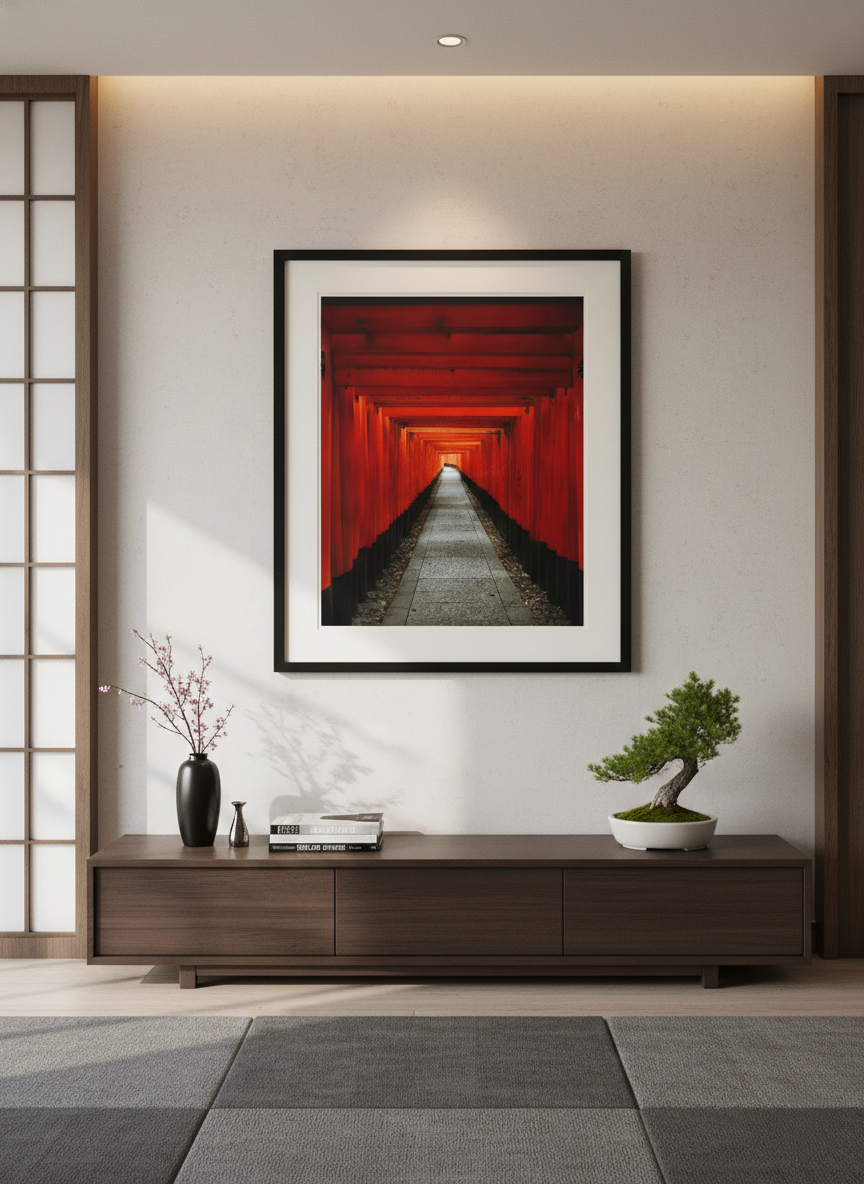
    Art doesn’t exist in isolation. It lives in a space. And the way it’s displayed directly affects how it’s perceived—not just by others, but by you.

    A well-presented piece feels intentional. Considered. Finished.

    Poor presentation does the opposite. It flattens the impact.


    Framing Is Not Just Protection

    A lot of people treat framing as an afterthought. Something you do after the fact, just to get it on the wall. But framing is part of the experience. It defines how the piece is seen:

    • The spacing
    • The border
    • The materials
    • The way light interacts with the surface

    A strong frame doesn’t compete with the work—it elevates it.


    Environment Matters More Than You Think

    Where you place a piece changes how it reads. Lighting, surrounding elements, and even wall color all play a role. A print placed thoughtfully becomes a focal point.

    The same print placed randomly becomes background. That difference has nothing to do with the image—and everything to do with context.


    How This Connects to What You’ve Learned

    In the previous post—Why Some Collectors Only Buy From Direct Artists—we talked about connection to the source.

    This is where that connection continues. Because once you’ve chosen a piece intentionally, how you present it is the next layer of that intention.

    It’s the difference between owning something… and actually showcasing it.


    Why This Impacts Perceived Value

    Perceived value isn’t just about price or rarity. It’s about how something feels in its environment. A well-presented piece:

    • Commands attention
    • Feels more substantial
    • Holds its presence over time

    Even the same artwork can feel more “valuable” simply because it’s displayed with care. That’s not illusion. That’s experience.


    A Simple Way to Think About It

    Buying the artwork is only half the process.

    Displaying it is the other half. And the second half is what people actually see every day.


    Final Thought

    A great piece of art deserves more than just a place on the wall. It deserves to be presented in a way that reflects why you chose it in the first place.

    Because when presentation is done right, the work doesn’t just sit in your space. It defines it.

    If you’re ready to bring something into your space that’s worth displaying well, explore the current collection of limited edition prints and find the piece that deserves to be the focal point.

    Browse Available Limited Edition Prints

  • How to Spot a High-Quality Fine Art Print in Seconds

    How to Spot a High-Quality Fine Art Print in Seconds

    Most people assume you need experience to recognize a high-quality print. That it takes years of collecting, or a trained eye, or some insider knowledge.

    It doesn’t.

    Once you know what to look for, you can spot the difference in seconds.


    Start With Your First Reaction

    Before you analyze anything, pay attention to your immediate response. Does the image feel flat… or does it have depth? Do the colors feel slightly off… or do they feel intentional?

    That first impression matters more than you think. Because high-quality prints tend to feel right before you can explain why.


    Look at the Depth, Not Just the Image

    A strong print doesn’t just show an image—it holds detail across the entire frame. Look closely at:

    • Shadows (are they rich or muddy?)
    • Highlights (are they soft or blown out?)
    • Gradients (are they smooth or banded?)

    Lower-quality prints tend to lose information in these areas. High-quality prints preserve it. You’ll notice it most in subtle transitions—like skies, water, or fine textures.


    Pay Attention to the Paper

    Paper is one of the fastest tells. You don’t need to know the exact name or brand—just look at how it feels and behaves.

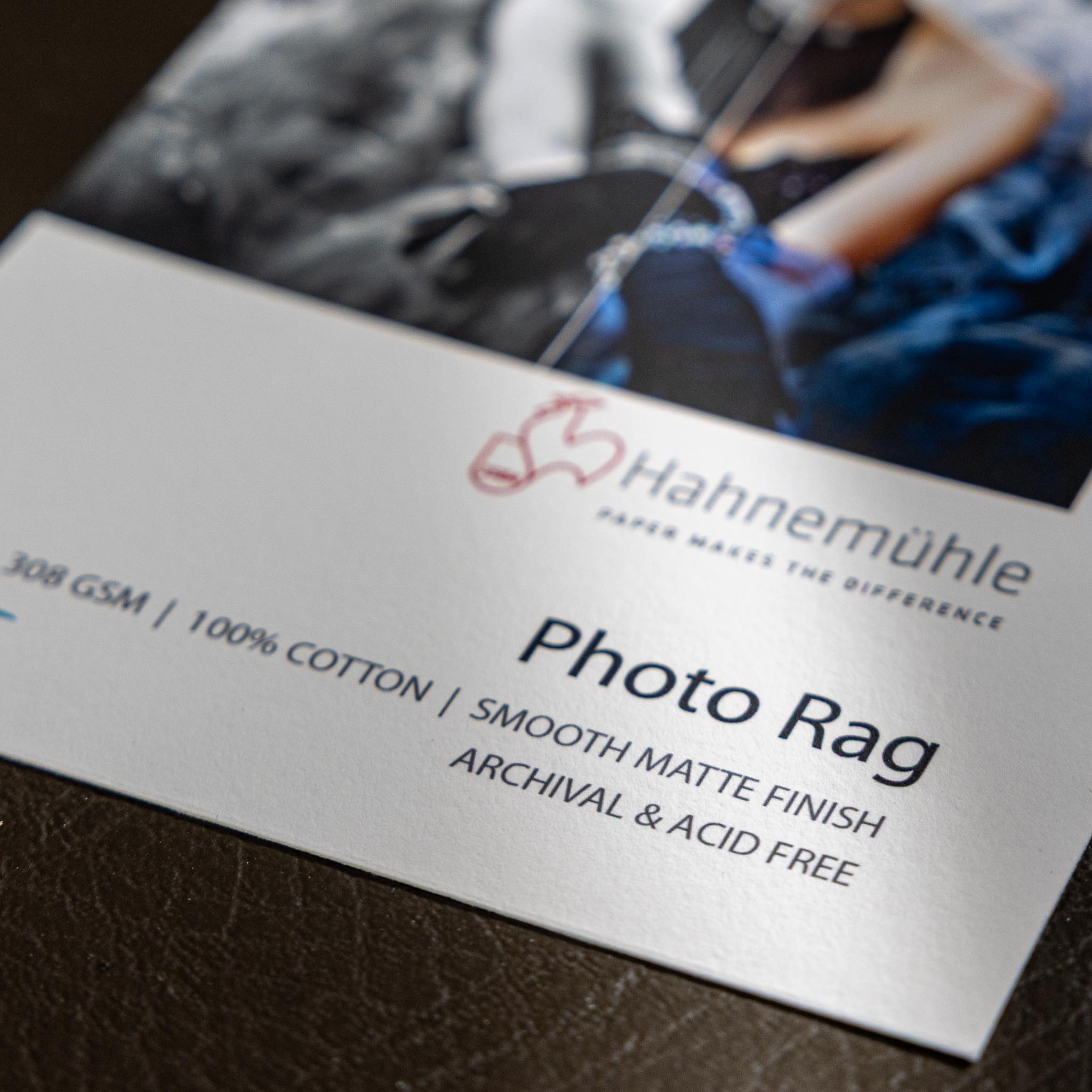
    Does it feel thin or overly glossy? Or does it feel substantial, with a finish that actually complements the image? Fine art prints are typically produced on heavier, archival papers designed to:

    • Hold ink properly
    • Reduce glare
    • Maintain consistency over time

    If the material feels like an afterthought, it probably is.


    Color Should Feel Intentional

    This is where a lot of prints fall apart. Color in a high-quality print should feel:

    • Balanced
    • Controlled
    • True to the scene or artistic intent

    Not overly saturated. Not dull. Just… right. If something feels slightly off—even if you can’t explain it—you’re probably noticing poor color accuracy.


    Clarity Without Harshness

    Sharpness matters—but there’s a difference between clarity and harshness. A high-quality print will feel detailed without looking over-processed. Edges should be clean. Textures should be defined.

    But nothing should feel artificially crisp or exaggerated.


    How This Builds on What You Already Know

    In the previous post—The Real Difference Between Fine Art Prints and Posters—we broke down how materials and production separate something made to last from something made to be replaced. This is how you actually see that difference.

    Not in theory. But in practice. Once you recognize these details, it becomes very difficult to ignore them.


    A Simple Gut Check

    If you’re ever unsure, ask yourself this:

    Does this feel like something that will still look good in five years? Or does it feel like something that looks good right now?

    That one question filters out most low-quality prints immediately.


    Final Thought

    A high-quality print doesn’t need to announce itself.

    You can see it in the depth.
    You can feel it in the material.

    And once you know what to look for, the difference becomes obvious.

    If you’re ready to collect work that holds up—not just today, but over time—explore the current selection of limited edition fine art prints and experience that level of quality firsthand.

    Browse Available Limited Edition Prints

  • Why Some Photography Prints Last 100 Years — And Others Fade in a Decade

    Why Some Photography Prints Last 100 Years — And Others Fade in a Decade

    Walk into almost any home goods store and you’ll see walls covered with photographic prints.

    They look beautiful at first.

    But give them ten years.

    Many will fade. Colors shift. Paper yellows. Details disappear.

    Yet in museums and private collections around the world, photographic prints created decades ago still look nearly identical to the day they were printed.

    The difference comes down to archival print craftsmanship.

    Understanding what makes a photograph archival helps collectors recognize the difference between a decorative print and a piece of artwork designed to last for generations.


    Why Most Photography Prints Don’t Last

    Many consumer prints are produced using fast, inexpensive materials.

    These often include:

    • dye-based inks
    • wood-pulp paper
    • non-archival coatings

    These materials produce vibrant prints initially, but they’re far more vulnerable to:

    • UV light
    • humidity
    • environmental pollutants

    Over time, these factors slowly break down the image.

    What begins as a vibrant photograph gradually fades.

    This is why many inexpensive prints begin to deteriorate within a decade.


    What Makes a Print Archival

    An archival fine art photography print is produced with materials specifically designed for longevity.

    Three components make the biggest difference:

    Archival Paper

    Museum-quality papers are typically:

    • acid-free
    • lignin-free
    • cotton-based

    Cotton rag papers are especially valued in fine art printing because they resist yellowing and provide exceptional stability over time.

    They also hold extremely fine detail, allowing subtle tones and textures to appear more naturally.


    Pigment-Based Inks

    Fine art prints are typically produced using pigment inks rather than dye inks.

    Pigment inks contain microscopic particles that sit on the surface of the paper.

    This makes them significantly more resistant to fading caused by light exposure.

    When paired with archival paper, pigment prints can maintain color stability for decades.


    Controlled Print Craftsmanship

    Even the best materials require careful production.

    Professional fine art printing involves:

    • calibrated color workflows
    • proof printing
    • controlled lighting environments
    • final inspection before release

    Each step ensures the finished print faithfully represents the photograph.

    You can learn more about the process on the page dedicated to print craftsmanship and archival production standards.


    Why Archival Printing Matters for Collectors

    For collectors, longevity is not just a technical detail.

    It protects the integrity of the artwork.

    Archival printing ensures:

    • the photograph retains its intended color and detail
    • the artist’s vision remains preserved
    • the work can be displayed confidently for decades

    This is particularly important for limited edition photography prints, where the rarity and long-term stability of the work are part of its value.


    Certificates of Authenticity and Provenance

    Many fine art prints are accompanied by a certificate of authenticity.

    This document verifies:

    • the artist
    • the edition number
    • the production details
    • the authenticity of the artwork

    Certificates help collectors maintain the provenance of the piece and confirm its place within the limited edition.

    If you’re interested in learning more, you may also enjoy:

    What Is a Certificate of Authenticity — And Why It Matters for Collectors


    A Photograph Meant to Last

    Photography captures a moment.

    Archival printing ensures that moment can survive the passage of time.

    When museum-quality materials and careful craftsmanship are combined, a photograph becomes more than a print—it becomes an object built to endure.

    For collectors, that longevity is part of what transforms a photograph into a lasting work of art.


    Featured limited editions

    A curated selection of landscapes available in limited quantities. Visit the shop for current availability, sizes, and framing options.