Tag: Golden Hour

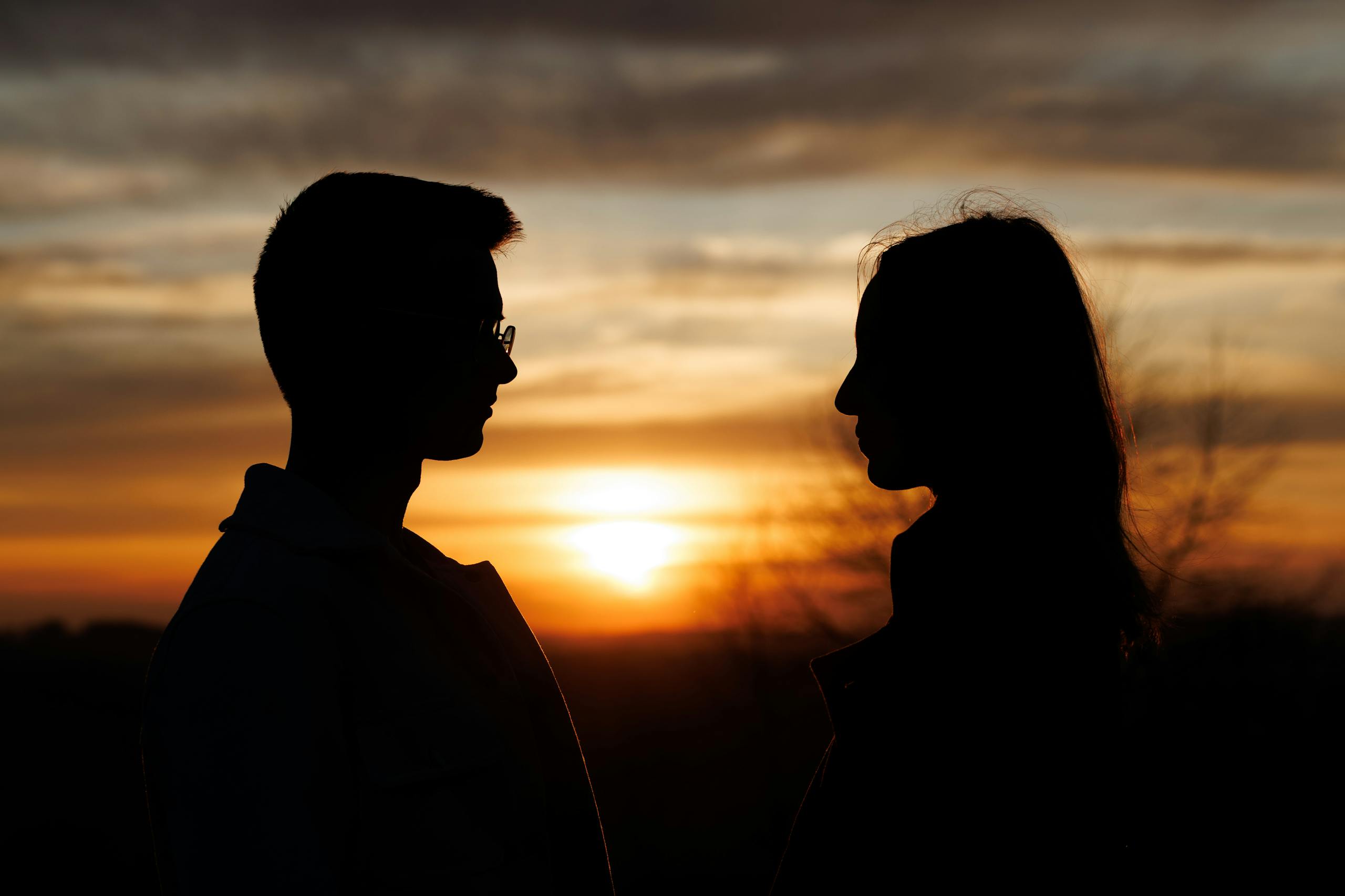
Shooting in the warm, low light around sunrise and sunset.

  • A Photographer’s Guide to Utah’s Best Light, Season by Season

    A Photographer’s Guide to Utah’s Best Light, Season by Season

    People ask me when the “best” time to shoot in Utah is, and the honest answer is that Utah doesn’t really have an off-season — it has four very different ones, and each rewards a different kind of session. Here’s how I think about the year when someone’s trying to pick a date.

    Fall (roughly late September–October): the easy yes

    If you want me to make the choice for you, it’s fall. The light softens, the canyons turn, and the whole state briefly looks like it’s showing off. Golden hour gets longer and gentler, which is flattering for people and forgiving for me. It’s the peak booking window for family sessions for a reason, and the color doesn’t wait around — miss the window by two weeks and you’re shooting bare branches.

    Winter: underrated, if you dress for it

    Winter light in Utah is low, clean, and quiet, and the crowds vanish. Snow acts like a giant softbox — even midday can work, which is not true most of the year. It asks more of everyone (warm layers, shorter sessions, cold hands), but the payoff is a look you cannot get any other time.

    Spring: green, moody, unpredictable

    Spring gives you fresh green and dramatic skies, with the tradeoff that the weather does whatever it wants. That unpredictability is a feature if you like a little drama in the frame and a bug if you need certainty. Great for engagement sessions where a moody sky earns its keep.

    Summer: shoot the edges of the day

    Summer in Utah means committing to early or late — sunrise and the last hour before sunset — and largely writing off the harsh middle. It’s the season that most rewards getting up uncomfortably early. The trade is that the days are long, so “golden hour” is genuinely generous at both ends.

    The short version

    Fall is the safe, gorgeous default. Winter is the sleeper. Spring is for drama. Summer is for people willing to set an alarm. Whatever you pick, the light is doing most of the work — my job is knowing when and where it’s going to be good, which is most of what you’re actually hiring.

    If you already know the season, here’s how I think about picking the actual location, and my favorite Utah spots for couples. When you’re ready, let’s get a date on the calendar.

    — Preston
  • How to Build a Wedding Timeline That Leaves Space for Real Moments

    How to Build a Wedding Timeline That Leaves Space for Real Moments

    The best wedding photos rarely happen on the timeline — they happen in the moments between.

    A carefully planned schedule helps a wedding day run smoothly. But when every minute is tightly controlled, the day can start to feel rushed, leaving little room for the natural moments that make weddings meaningful.

    Some of the most memorable photographs happen in the quiet spaces between planned events—a laugh shared between friends, a parent’s emotional glance, or a spontaneous celebration on the dance floor.

    A thoughtful wedding timeline balances structure with flexibility, creating space for both organization and genuine moments to unfold.

    Why a Wedding Timeline Matters

    A timeline provides the structure that keeps a wedding day flowing smoothly.

    Without one, important moments can feel chaotic or rushed. But when the schedule is too rigid, couples often feel like they are constantly moving from one task to the next.

    The best wedding timelines create a rhythm that allows events to unfold naturally while still keeping the day organized.

    This balance helps couples stay present rather than feeling like they are racing against the clock.


    Build Extra Time Into the Schedule

    One of the most common challenges on wedding days is running behind schedule.

    Hair and makeup may take longer than expected, transportation might be delayed, or family members may need additional time to gather for portraits.

    Adding small buffers of time throughout the day can make a huge difference.

    For example:

    • allow extra time before the ceremony
    • add breathing room between portraits and reception events
    • avoid scheduling events back-to-back

    These small adjustments help prevent the day from feeling rushed.


    Consider a First Look

    A first look—where the couple sees each other before the ceremony—can dramatically ease the wedding timeline.

    By scheduling a first look, couples can complete many portraits earlier in the day, including:

    • couple portraits
    • wedding party photos
    • some family photos

    This often frees up time later in the day, allowing couples to spend more time with their guests.

    It also creates an intimate moment before the ceremony that many couples find meaningful.


    Plan Portrait Time Around Good Light

    Lighting plays an important role in wedding photography.

    The most flattering natural light typically occurs during golden hour, shortly before sunset.

    If possible, consider scheduling 15–20 minutes for couple portraits during this time.

    These portraits often become some of the most beautiful images of the entire day.


    Keep Family Portraits Efficient

    Family portraits are an important part of wedding photography, but they can sometimes become one of the most time-consuming portions of the day.

    To keep this portion of the timeline smooth:

    • prepare a list of family groupings in advance
    • assign a family member to help gather people
    • schedule enough time without rushing

    Having a clear plan helps ensure these portraits move quickly while still capturing meaningful family moments.


    Leave Room for the Unexpected

    No matter how carefully a wedding timeline is planned, unexpected moments will always happen.

    Sometimes those moments become the most memorable parts of the day.

    A spontaneous toast, a surprise hug, or an emotional reaction during the ceremony can create powerful photographs.

    Allowing space in the schedule helps ensure these moments are captured naturally rather than interrupted by the next event.


    Prioritize the Experience

    The purpose of a timeline is not simply to create photographs.

    It is to help couples experience their wedding day fully.

    When the schedule allows time to breathe, couples can slow down, enjoy the moment, and connect with the people around them.

    Those genuine interactions often lead to the most meaningful photographs.


    A Timeline That Supports Real Moments

    The best wedding timelines create a balance between planning and presence.

    They provide enough structure to keep the day organized while leaving space for the unscripted moments that make weddings unforgettable.

    Because in the end, the photographs that matter most are often the ones that no one planned.

  • Sunrise vs Sunset Engagement Photos — Which Is Better?

    Sunrise vs Sunset Engagement Photos — Which Is Better?

    The difference between sunrise and sunset engagement photos is bigger than most couples realize.

    Both times of day offer beautiful natural light, but they create very different experiences and atmospheres for a photography session.

    Sunrise sessions often feel quiet and peaceful, while sunset sessions bring warm, glowing light and dramatic skies. The choice can influence everything from the mood of the photographs to how relaxed the session feels.

    Understanding the advantages of each can help couples choose the experience that best fits their personalities and vision.

    Why Light Matters in Engagement Photography

    Natural light is one of the most important elements in photography.

    Midday sunlight can be harsh and create strong shadows, which is why most engagement sessions are scheduled during golden hour—the time shortly after sunrise or just before sunset when the light is softer and more flattering.

    Both sunrise and sunset produce beautiful light, but the feeling of each session can be very different.


    Sunrise Engagement Photos

    Sunrise sessions offer a calm and peaceful atmosphere that many couples find surprisingly enjoyable.

    Early morning light is soft and gentle, and popular locations are often completely empty.

    Advantages of Sunrise Sessions

    Fewer crowds

    Many popular photo locations in Utah become busy in the evening. Sunrise sessions often provide quiet spaces where couples can relax without distractions.

    Soft, delicate light

    Morning light tends to feel cool and subtle, producing images with a peaceful, dreamy atmosphere.

    Calmer wind conditions

    Morning hours often bring more stable weather and calmer air, which can help create cleaner, softer images.

    Things to Consider

    The biggest challenge of sunrise sessions is simply the early wake-up time. Couples often need to begin getting ready well before dawn.

    For couples who enjoy quiet mornings or want a more private experience, however, sunrise can be incredibly rewarding.


    Sunset Engagement Photos

    Sunset sessions are the most common choice for engagement photography.

    The warm tones of evening light and colorful skies often create dramatic and romantic images.

    Advantages of Sunset Sessions

    Golden warm light

    The light during sunset has a warm glow that adds depth and richness to photographs.

    Colorful skies

    Clouds often reflect vibrant colors during sunset, producing beautiful backdrops.

    More convenient timing

    Evening sessions tend to fit more easily into most couples’ schedules.

    Things to Consider

    Because sunset is a popular time for photography, certain locations may have more visitors during the evening.

    Choosing a quieter location or exploring less crowded areas can help maintain a relaxed atmosphere.

    If you’re still deciding where to take your photos, you may enjoy reading:

    The Most Romantic Engagement Photo Locations in Utah


    Which One Should You Choose?

    The best choice depends less on photography rules and more on the experience you want during your session.

    Sunrise may be perfect if you:

    • enjoy quiet, peaceful environments
    • want fewer crowds at popular locations
    • love soft, dreamy lighting

    Sunset may be ideal if you:

    • prefer warm, glowing light
    • want dramatic skies
    • prefer a later session time

    Both options can produce stunning engagement photographs.


    The Experience Matters Most

    Engagement sessions are about more than lighting.

    They are about capturing a moment in your relationship during a meaningful season of life.

    Whether the sun is just beginning to rise or slowly setting behind the mountains, the most memorable photographs often come from moments of genuine connection between two people.

    If you’re preparing for your session, you may also find this helpful:

    How to Prepare for Your Engagement Session (Without Feeling Awkward in Front of the Camera)