
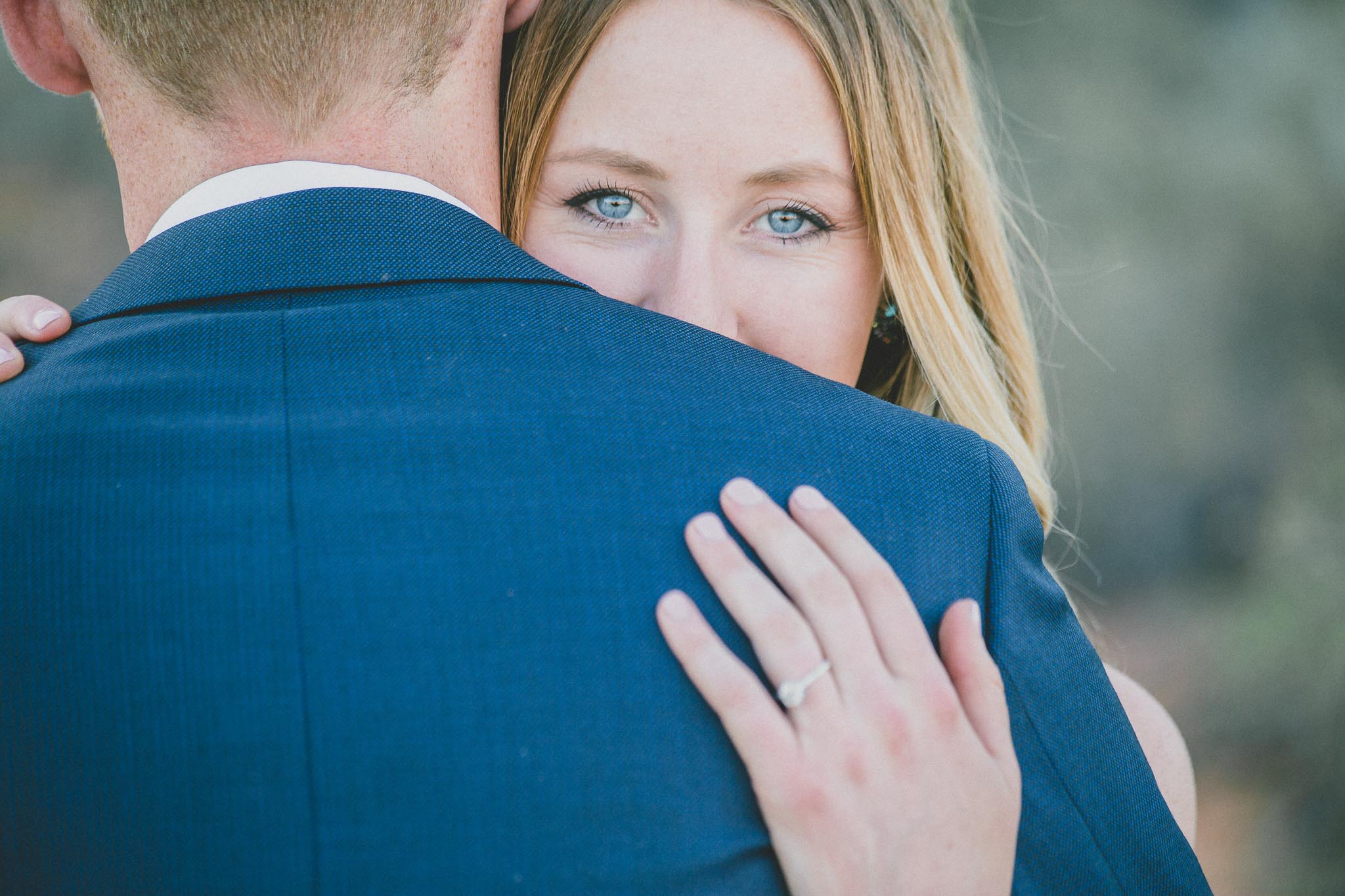
The best wedding photos rarely happen on the timeline — they happen in the moments between.
A carefully planned schedule helps a wedding day run smoothly. But when every minute is tightly controlled, the day can start to feel rushed, leaving little room for the natural moments that make weddings meaningful.
Some of the most memorable photographs happen in the quiet spaces between planned events—a laugh shared between friends, a parent’s emotional glance, or a spontaneous celebration on the dance floor.
A thoughtful wedding timeline balances structure with flexibility, creating space for both organization and genuine moments to unfold.
Why a Wedding Timeline Matters
A timeline provides the structure that keeps a wedding day flowing smoothly.
Without one, important moments can feel chaotic or rushed. But when the schedule is too rigid, couples often feel like they are constantly moving from one task to the next.
The best wedding timelines create a rhythm that allows events to unfold naturally while still keeping the day organized.
This balance helps couples stay present rather than feeling like they are racing against the clock.
Build Extra Time Into the Schedule
One of the most common challenges on wedding days is running behind schedule.
Hair and makeup may take longer than expected, transportation might be delayed, or family members may need additional time to gather for portraits.
Adding small buffers of time throughout the day can make a huge difference.
For example:
- allow extra time before the ceremony
- add breathing room between portraits and reception events
- avoid scheduling events back-to-back
These small adjustments help prevent the day from feeling rushed.
Consider a First Look
A first look—where the couple sees each other before the ceremony—can dramatically ease the wedding timeline.
By scheduling a first look, couples can complete many portraits earlier in the day, including:
- couple portraits
- wedding party photos
- some family photos
This often frees up time later in the day, allowing couples to spend more time with their guests.
It also creates an intimate moment before the ceremony that many couples find meaningful.
Plan Portrait Time Around Good Light
Lighting plays an important role in wedding photography.
The most flattering natural light typically occurs during golden hour, shortly before sunset.
If possible, consider scheduling 15–20 minutes for couple portraits during this time.
These portraits often become some of the most beautiful images of the entire day.
Keep Family Portraits Efficient
Family portraits are an important part of wedding photography, but they can sometimes become one of the most time-consuming portions of the day.
To keep this portion of the timeline smooth:
- prepare a list of family groupings in advance
- assign a family member to help gather people
- schedule enough time without rushing
Having a clear plan helps ensure these portraits move quickly while still capturing meaningful family moments.
Leave Room for the Unexpected
No matter how carefully a wedding timeline is planned, unexpected moments will always happen.
Sometimes those moments become the most memorable parts of the day.
A spontaneous toast, a surprise hug, or an emotional reaction during the ceremony can create powerful photographs.
Allowing space in the schedule helps ensure these moments are captured naturally rather than interrupted by the next event.
Prioritize the Experience
The purpose of a timeline is not simply to create photographs.
It is to help couples experience their wedding day fully.
When the schedule allows time to breathe, couples can slow down, enjoy the moment, and connect with the people around them.
Those genuine interactions often lead to the most meaningful photographs.
A Timeline That Supports Real Moments
The best wedding timelines create a balance between planning and presence.
They provide enough structure to keep the day organized while leaving space for the unscripted moments that make weddings unforgettable.
Because in the end, the photographs that matter most are often the ones that no one planned.
Next step
Ready to plan your session?
Share your preferred dates, location ideas, and who will be included. I will respond with availability and a clear plan for your session.