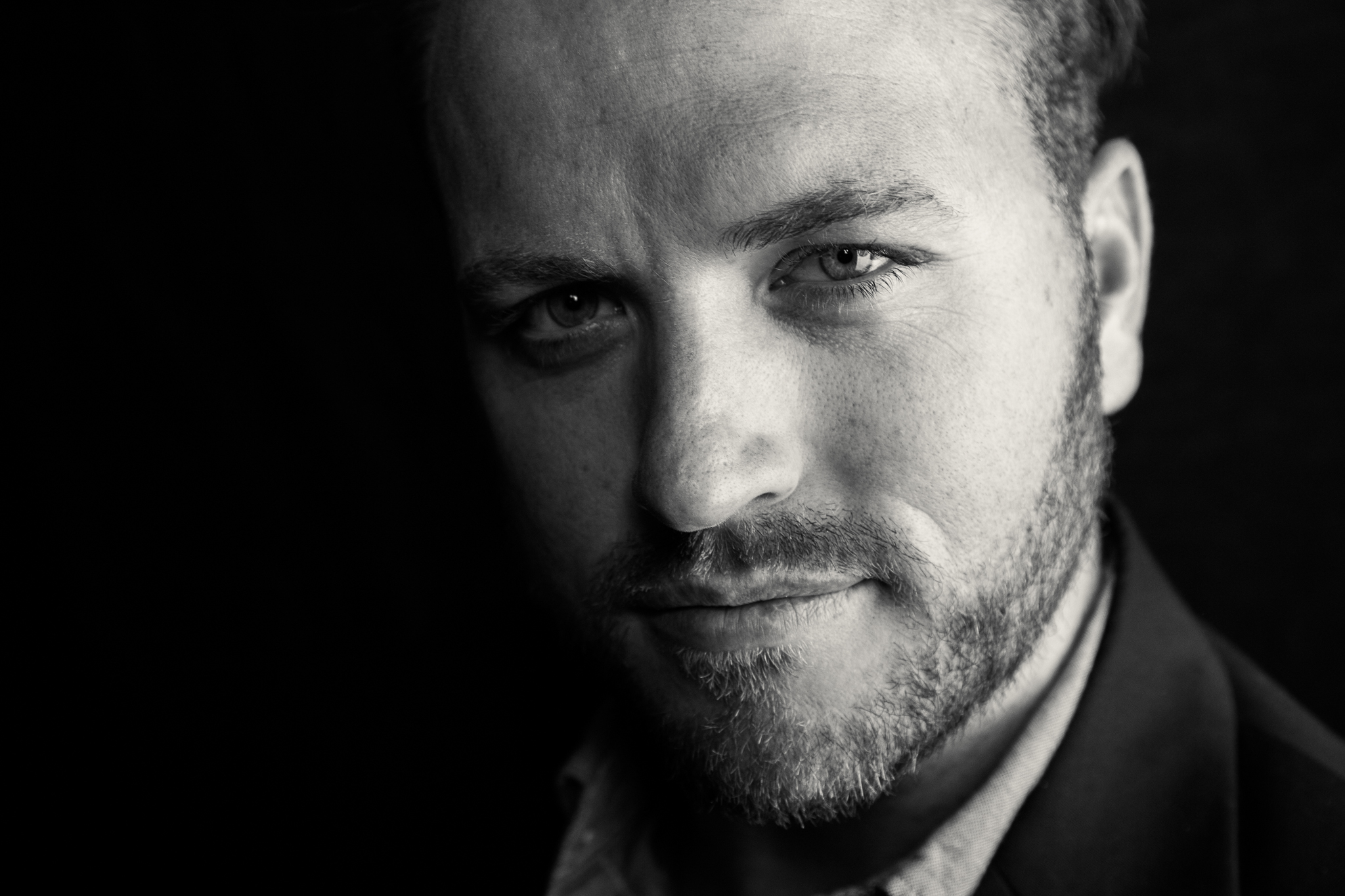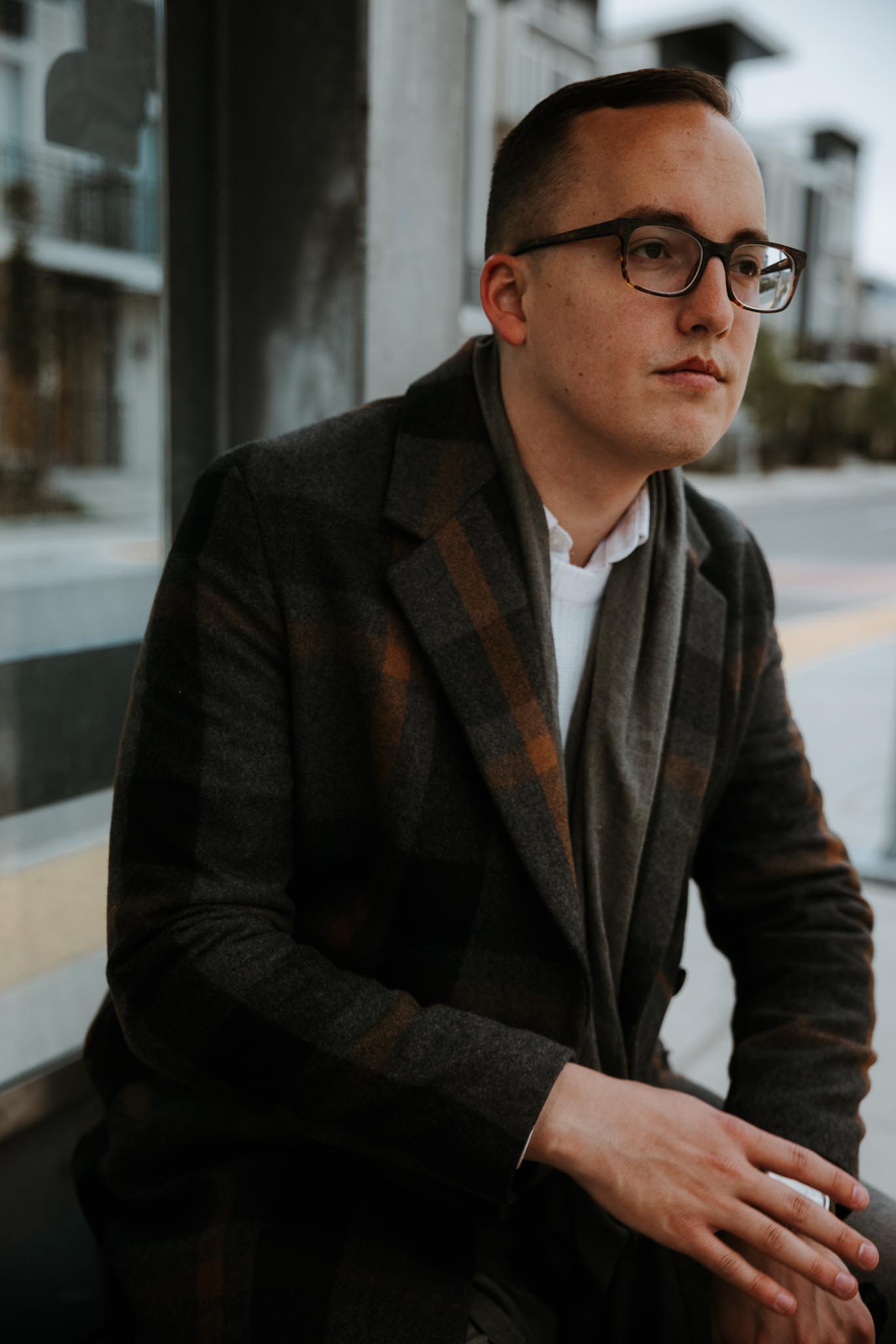
Tag: Individual Portraits

Portrait photography for individuals, including personal portraits, lifestyle sessions, and creative individual photography projects.

  • Creating Artistic Portraits That Feel Natural and Honest

    Portrait photography isn’t about performance — it’s about presence.

    When people imagine a portrait session, they often picture carefully posed expressions and rigid direction from the photographer. But intimate portrait photography follows a different approach.

    Rather than trying to manufacture emotion or expression, these sessions create space for genuine moments to unfold. The goal is not to create a performance for the camera, but to capture a person as they are—quietly present, thoughtful, and authentic.

    When that sense of presence emerges, the photographs often feel more personal and emotionally resonant.

    Letting Go of Performance

    Many people feel pressure to “perform” during a portrait session.

    They worry about standing correctly, smiling at the right moment, or appearing perfectly composed.

    But intimate portrait photography intentionally moves away from that mindset.

    Instead of focusing on perfect posture or rehearsed expressions, the session encourages natural movement and interaction.

    When people stop trying to perform for the camera, their authentic expressions begin to appear.

    And those authentic moments often create the most compelling photographs.


    The Role of Trust

    Trust is one of the most important ingredients in creating intimate portraits.

    When a person feels comfortable with their photographer and environment, they become more willing to relax into the experience.

    That comfort allows subtle gestures, expressions, and emotions to emerge naturally.

    Rather than directing every moment, the photographer often guides gently while allowing space for the subject to simply exist within the frame.

    This collaborative atmosphere creates portraits that feel personal rather than staged.


    The Beauty of Simplicity

    Artistic intimate portraits often rely on minimal environments.

    Simple backgrounds, soft lighting, and quiet spaces help keep the focus on the person being photographed.

    This simplicity allows subtle elements to become more visible:

    • posture
    • expression
    • body language
    • interaction with light

    By removing distractions, the photograph becomes more about presence than production.


    Natural Light and Atmosphere

    Lighting plays a major role in shaping the mood of intimate portraits.

    Soft natural light is often ideal because it creates gentle transitions between highlights and shadows.

    This type of light can feel calm, atmospheric, and emotionally expressive.

    Outdoor environments or softly lit interior spaces can both work beautifully for this style of photography.

    The key is allowing the light to support the mood of the portrait rather than overpower it.


    Movement Creates Authentic Moments

    Even subtle movement can help portraits feel more natural.

    Instead of remaining perfectly still, subjects may:

    • shift their posture
    • walk slowly through a location
    • interact with their surroundings
    • pause in moments of reflection

    These small movements often lead to expressions and gestures that feel genuine rather than forced.

    The camera becomes an observer of the moment rather than the center of attention.


    Portraits as Personal Expression

    For many people, intimate portrait sessions become a form of self-expression.

    They offer an opportunity to explore personal identity, creativity, and emotional presence in a way that everyday life rarely allows.

    Some portraits may feel introspective.

    Others may feel bold, reflective, or quietly powerful.

    What matters most is that the image reflects something authentic about the person within the frame.


    A Portrait That Feels Honest

    The most memorable portraits often come from moments that feel simple and sincere.

    A quiet glance, a thoughtful pause, or a subtle shift in expression can carry more emotional depth than elaborate staging.

    When a portrait reflects genuine presence rather than performance, it tends to feel timeless.

    And those are often the images people return to years later with the greatest appreciation.

    If you’re considering a portrait session, you may also enjoy reading:

    How to Prepare for a Personal Portrait Session

  • How to Prepare for a Personal Portrait Session

    How to Prepare for a Personal Portrait Session

    The best portraits come from preparation, not posing.

    Many people assume that great portraits depend on knowing exactly how to stand or where to look. In reality, the most compelling portraits come from something much simpler—feeling comfortable, confident, and present in the moment.

    A little preparation before your session can make a big difference. When you feel relaxed and prepared, your personality naturally comes through in the photographs.

    Portrait sessions aren’t about performing for the camera. They’re about creating space for genuine expressions and moments to unfold naturally.

    Choose Clothing That Reflects Your Personality

    Clothing plays a significant role in how a portrait feels.

    Rather than choosing something purely for the photograph, select outfits that feel authentic to your personal style.

    A few simple guidelines can help:

    • choose solid colors or subtle patterns
    • avoid large logos or graphics
    • select clothing that fits comfortably
    • bring one or two outfit options for variety

    Neutral tones and natural textures often photograph beautifully, especially in outdoor settings.

    The goal is not to create a costume, but to wear something that allows you to feel like yourself.


    Consider the Location

    The setting for your portrait session helps shape the mood of the images.

    Some portraits feel powerful in dramatic landscapes, while others work best in simple, quiet environments.

    Location can influence:

    • lighting
    • atmosphere
    • the story the portrait tells

    Choosing a location that feels meaningful or comfortable can make the entire experience feel more natural.


    Think About the Story You Want to Tell

    Portrait photography often becomes more meaningful when there is intention behind it.

    Ask yourself a few simple questions:

    • What part of my life does this portrait represent?
    • What mood or atmosphere feels right?
    • What environment feels most authentic to me?

    Some portraits celebrate milestones, while others simply capture a moment of personal reflection.

    Thinking about the story behind the image can help guide decisions about clothing, location, and style.


    Focus on Feeling Comfortable

    One of the most common concerns people express before a portrait session is feeling awkward in front of the camera.

    In reality, most people feel this way at first.

    The key is remembering that portrait sessions are not about perfection.

    Natural interaction, conversation, and small movements often create the most compelling images.

    The more comfortable you feel, the more your personality naturally appears in the photographs.


    Bring Personal Elements

    Incorporating small personal elements can help portraits feel more meaningful.

    These might include:

    • a favorite jacket or accessory
    • objects related to a hobby or passion
    • meaningful locations
    • simple props that reflect personal interests

    These elements help tell a story and add depth to the images.


    Allow the Session to Unfold Naturally

    Portrait sessions are rarely about standing in one place and looking directly at the camera.

    Movement, conversation, and small adjustments often help create relaxed and authentic moments.

    Some of the most powerful portraits happen when people stop thinking about the camera entirely.

    Allowing the session to unfold naturally helps those moments appear.


    A Moment to Pause

    Portrait photography offers something that everyday life rarely provides: a moment to pause and reflect.

    The photographs created during a portrait session become more meaningful over time.

    They capture not only how someone looked, but who they were during that particular chapter of life.

    Approaching the experience with openness and curiosity often leads to the most rewarding portraits.

    If you’re curious about why personal portraits can be so meaningful, you may also enjoy reading:

    Why Everyone Should Have a Portrait Taken at Least Once in Their Life

  • Why Everyone Should Have a Portrait Taken at Least Once in Their Life

    Why Everyone Should Have a Portrait Taken at Least Once in Their Life

    Portrait photography isn’t just about how you look — it’s about capturing who you are in a moment of time.

    Life moves quickly. Seasons change, careers evolve, relationships deepen, and the quiet details of our everyday lives gradually shift.

    Portrait photography creates a way to pause that movement for a moment. It preserves not just an image of a person, but a reflection of who they are during a particular chapter of life.

    While many people associate portraits with special occasions—graduations, engagements, or professional milestones—the truth is that meaningful portraits can exist at any stage of life.

    Sometimes the most powerful portraits are simply about remembering who you were.

    A Portrait Is a Moment in Time

    Photography has a unique ability to pause life for just a fraction of a second.

    A portrait captures more than clothing, hairstyle, or expression—it captures a person within a specific moment of their life story.

    Years later, those images become reminders of who you were during that time.

    The quiet confidence in your expression, the way light fell across your face, the subtle details of posture and personality—these elements become part of a visual memory.

    Portraits preserve those fleeting moments.


    Portraits Tell Personal Stories

    Unlike casual snapshots, intentional portrait sessions allow space for storytelling.

    The setting, lighting, and mood of a portrait can reflect aspects of a person’s personality, interests, or experiences.

    Some portraits feel bold and expressive.

    Others feel quiet and reflective.

    Each photograph becomes part of a larger narrative about who someone is and how they see themselves in the world.


    A Way to Celebrate Milestones

    Many people choose portrait sessions to mark meaningful transitions in life.

    Examples include:

    • career milestones
    • personal achievements
    • creative pursuits
    • significant birthdays
    • personal reinvention

    These moments often represent turning points, and portraits can help preserve the feeling of that time.

    Years later, the images become reminders of both the achievement and the journey that led there.


    Portraits Build Confidence

    For many people, the idea of being photographed alone can feel intimidating.

    But portrait sessions often become surprisingly empowering experiences.

    Seeing oneself through a thoughtful and artistic lens can shift perspective.

    Instead of focusing on imperfections, portrait photography often highlights qualities that people may not notice about themselves—strength, warmth, creativity, or quiet confidence.

    For many individuals, the experience becomes less about posing and more about rediscovering their own presence.


    Portraits Become Personal History

    Family photographs often document shared experiences.

    Individual portraits, however, tell a more personal story.

    They become visual records of who someone was at a specific moment in their life.

    Over time, these images take on deeper meaning.

    They become part of personal history—small windows into different chapters of life.


    The Power of Simplicity

    Some of the most powerful portraits are also the simplest.

    A person standing in natural light.

    A quiet moment of reflection.

    A subtle expression that reveals personality without needing elaborate staging.

    These understated portraits often feel timeless because they focus on the subject rather than distractions around them.


    Creating Portraits That Feel Natural

    Many people worry about feeling awkward in front of the camera.

    In reality, the most successful portrait sessions focus less on formal posing and more on creating a relaxed environment.

    Movement, conversation, and natural interaction often lead to photographs that feel authentic rather than forced.

    If you’re preparing for your own portrait session, you may also find this helpful:

    How to Prepare for a Personal Portrait Session


    A Portrait for the Future

    One of the most meaningful aspects of portrait photography is how its value grows over time.

    What may feel like a simple photograph today can become deeply significant years later.

    Portraits allow us to see ourselves as we once were—capturing a moment that might otherwise fade from memory.

    And sometimes, those images become the photographs we are most grateful to have preserved.